forgecode: Forge: The Rust-Hardened Shell for Autonomous Engineering
How antinomyhq/forgecode turned the terminal into a deterministic sandbox for LLMs to build, test, and self-correct.
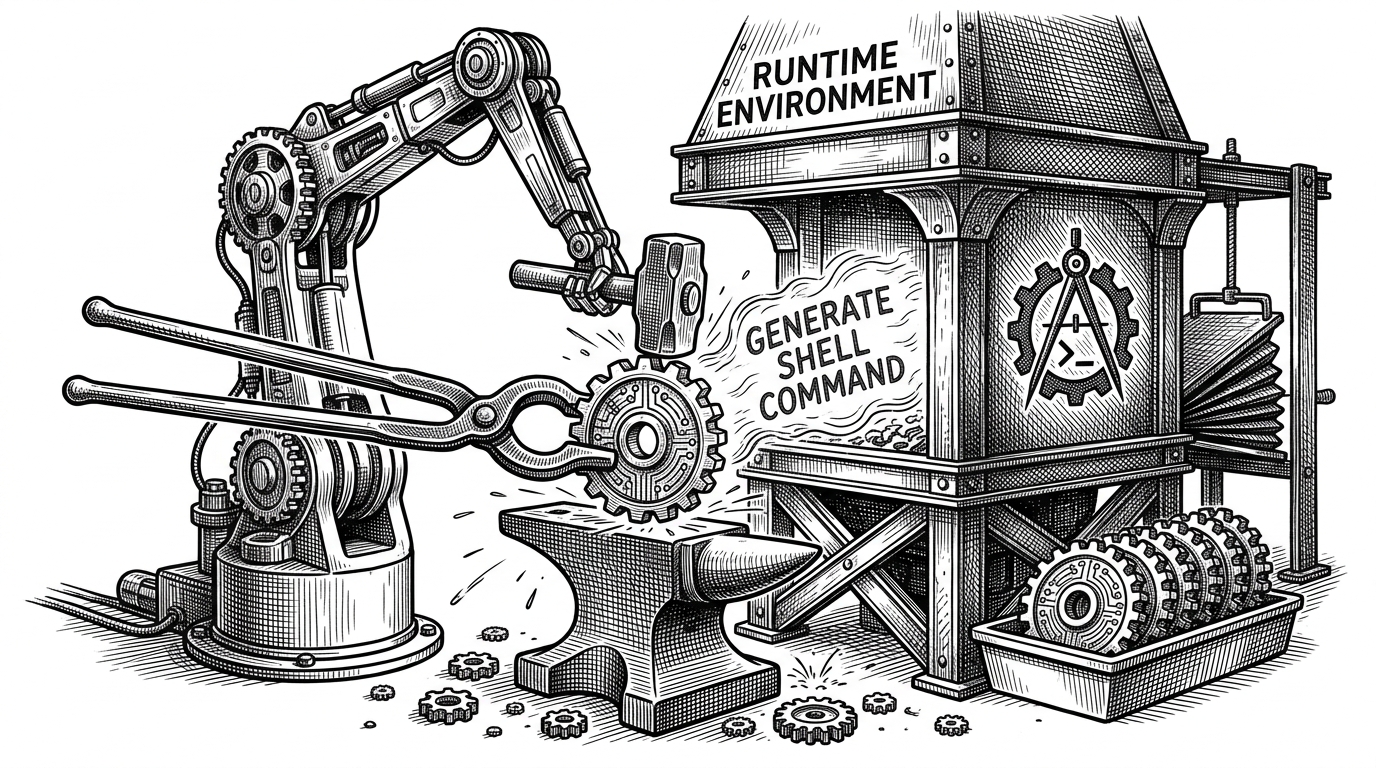
- Forge uses a Rust-based middleware layer to sanitize malformed model outputs into deterministic shell commands.
- A dedicated non-interactive mode forces agents to commit to solutions without human intervention.
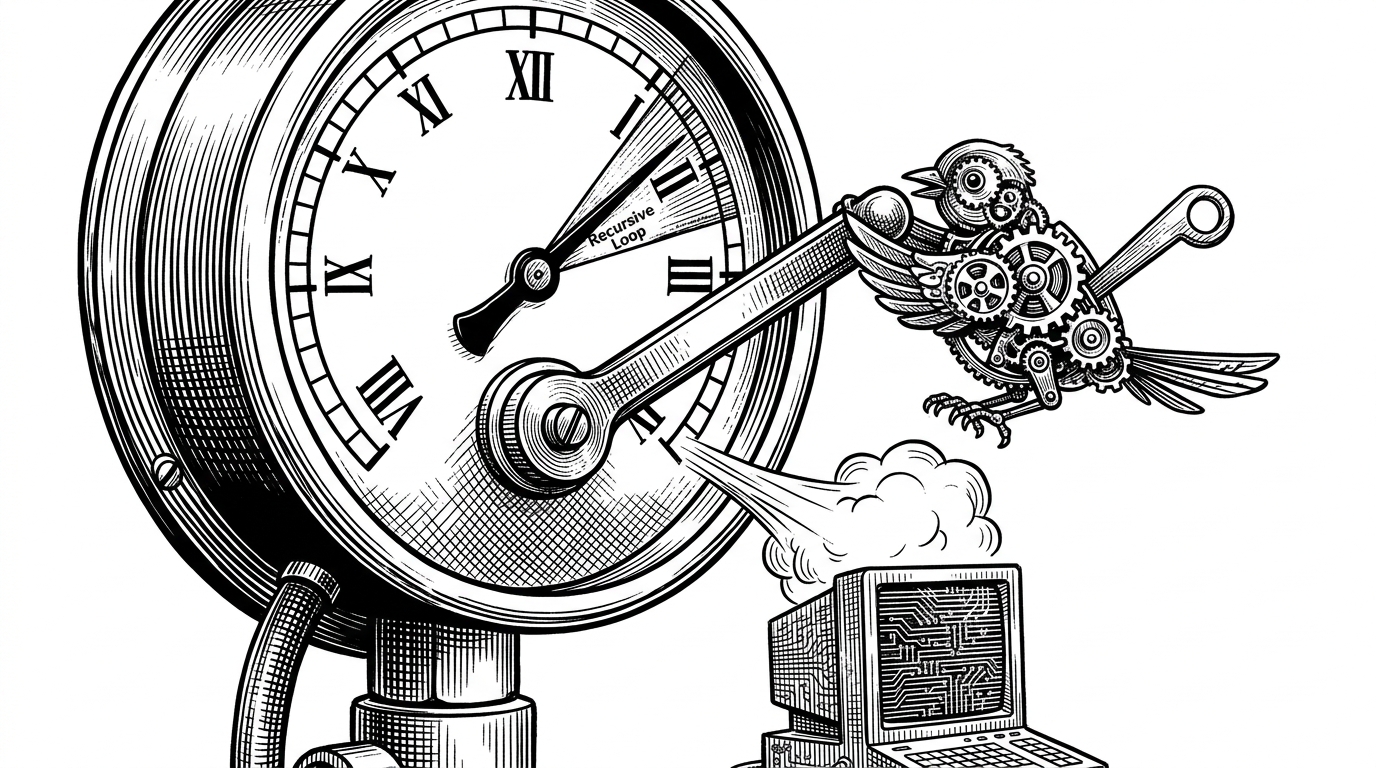
- The DoomLoopDetector prevents runaway API costs by identifying and stopping recursive tool failures.
- Multi-model arbitrage allows users to assign different LLMs to architectural planning versus code generation.
Winning the Terminal Decathlon
The story of Forge is not about another AI wrapper. It is the story of the terminal functioning as a high-performance harness. While most AI coding tools attempt to hide the terminal behind a chat window or a VS Code sidebar, Forge treats the shell as a first-class execution environment. Built in Rust for speed and deterministic control, it was engineered to out-benchmark official tools from Big Tech.
Our agent was failing tasks not because it lacked the intelligence to solve them, but because it was waiting for a human who was never coming.
This realization led to a dedicated non-interactive mode. By forcing the agent to commit to a solution rather than asking for help, Forge achieved an 81.8 percent accuracy score on the TermBench 2.0 benchmark.
The Sanity Filter: DTO Transforms
The secret to this accuracy lies in the transformation pipeline. LLMs hallucinate. They output malformed JSON, and they ignore strict schema requirements. Forge solves this with a sophisticated Data Transfer Object (DTO) middleware layer written in Rust.
Files like reasoning_transform.rs recursively modify JSON schemas to satisfy the strict mode requirements of different providers. This sanitizes the messy thoughts of the LLM into executable shell commands before they can touch the user's filesystem.
The Doom Loop and the Kill Switch
Autonomous agents carry a significant risk of infinite loops. An agent might repeatedly fail a test, tweak a file incorrectly, and re-run the test forever. Forge implements a strict safety valve via its DoomLoopDetector.
The Sovereign Stack
Forge distinguishes itself through its multi-model arbitrage. Users can leverage a slow, thoughtful model for the architectural blueprint and a fast, inexpensive model for generating the actual code bricks.
| Feature | Forge | Claude Code | Aider |
|---|---|---|---|
| Language | Rust | TypeScript | Python |
| Model Support | 300+ | 1 (Claude) | 50+ |
| Safety | Doom Loop Detection | Provider Limits | User Intervention |