ClawPress: The WordPress AI Agent That Behaves Like a Real Worker
Not a chatbot layer, but a stateful admin system with queues, abilities, background slices, and a safety model built for autonomous site tasks.
- ClawPress is trying to make WordPress AI feel like infrastructure, not interface.
- Its most important move is the turn/slice engine, which lets work pause and resume across short PHP requests.
- The offline-first command path cuts cost and avoids model calls when the action is already known.
- Bounded abilities and isolated workspaces make the agent useful without giving it the whole house key.
ClawPress is interesting because it refuses the usual AI-plugin shape. It does not stop at a chat box inside wp-admin. It tries to behave like a worker that can finish tasks, survive request boundaries, and keep its own state while it does the job.
That design choice changes the whole product. Once you stop thinking in prompts and start thinking in runs, queues, and permissions, ClawPress reads less like a wrapper and more like plumbing for a native WordPress agent.
ClawPress Is Building a Worker, Not a Chatbot
The headline idea is simple: ClawPress is built to do work, not just answer questions. A normal AI plugin can suggest a setting or draft text. ClawPress is aiming for something tougher, an autonomous admin assistant that can keep moving after the browser session ends.
That matters because WordPress requests are short and fragile. If you want an agent to update files, inspect content, fetch data, and continue later, you need persistence, locks, and a way to chop work into safe pieces.
The Fast Path: Slash Commands Before the Model
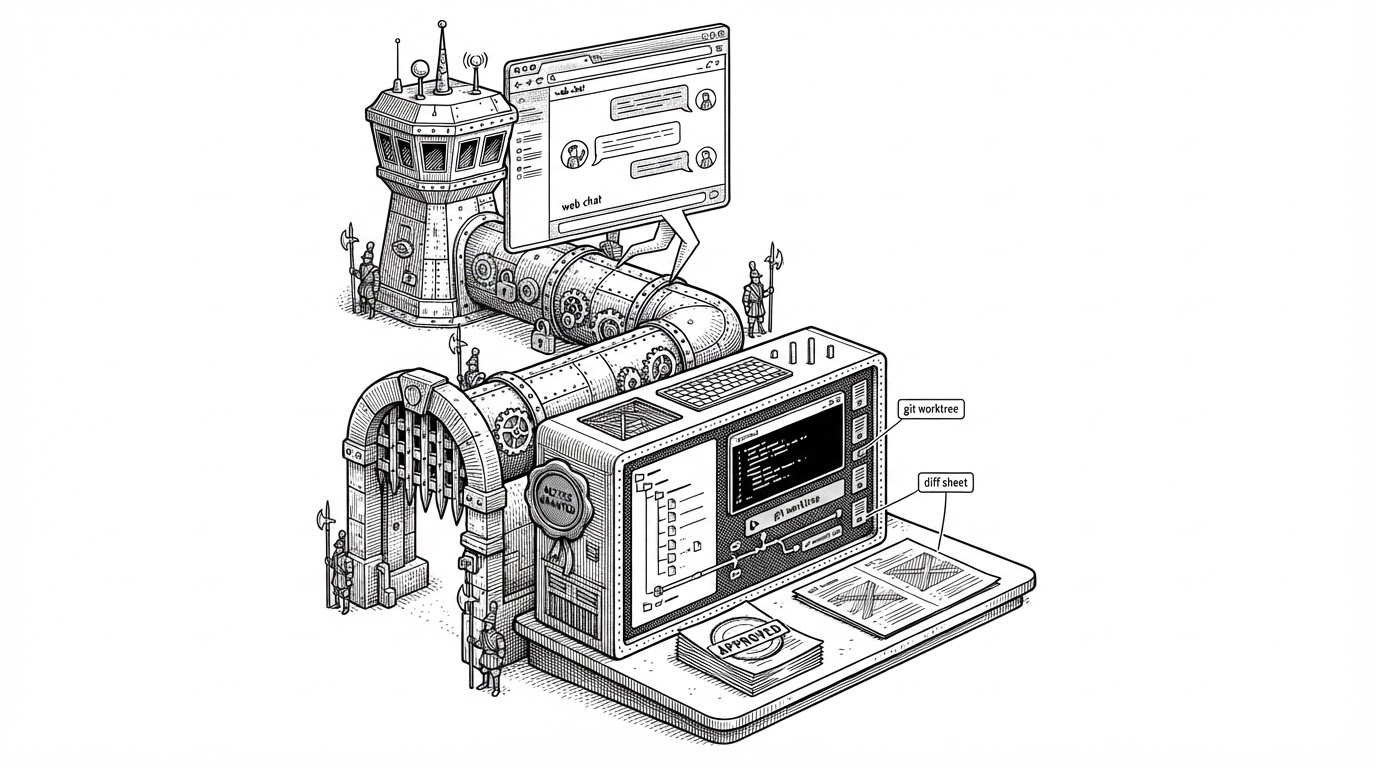
In the chat controller, ClawPress checks for slash commands before it asks the model to do anything. If the user types a known admin action such as /setup or /site info, the system handles it directly.
That is a small detail with big consequences. It lowers cost, reduces latency, and gives the plugin a reliable path for routine work. More importantly, it shows the project is optimizing for execution, not just conversation.
Inside the Turn/Slice Engine
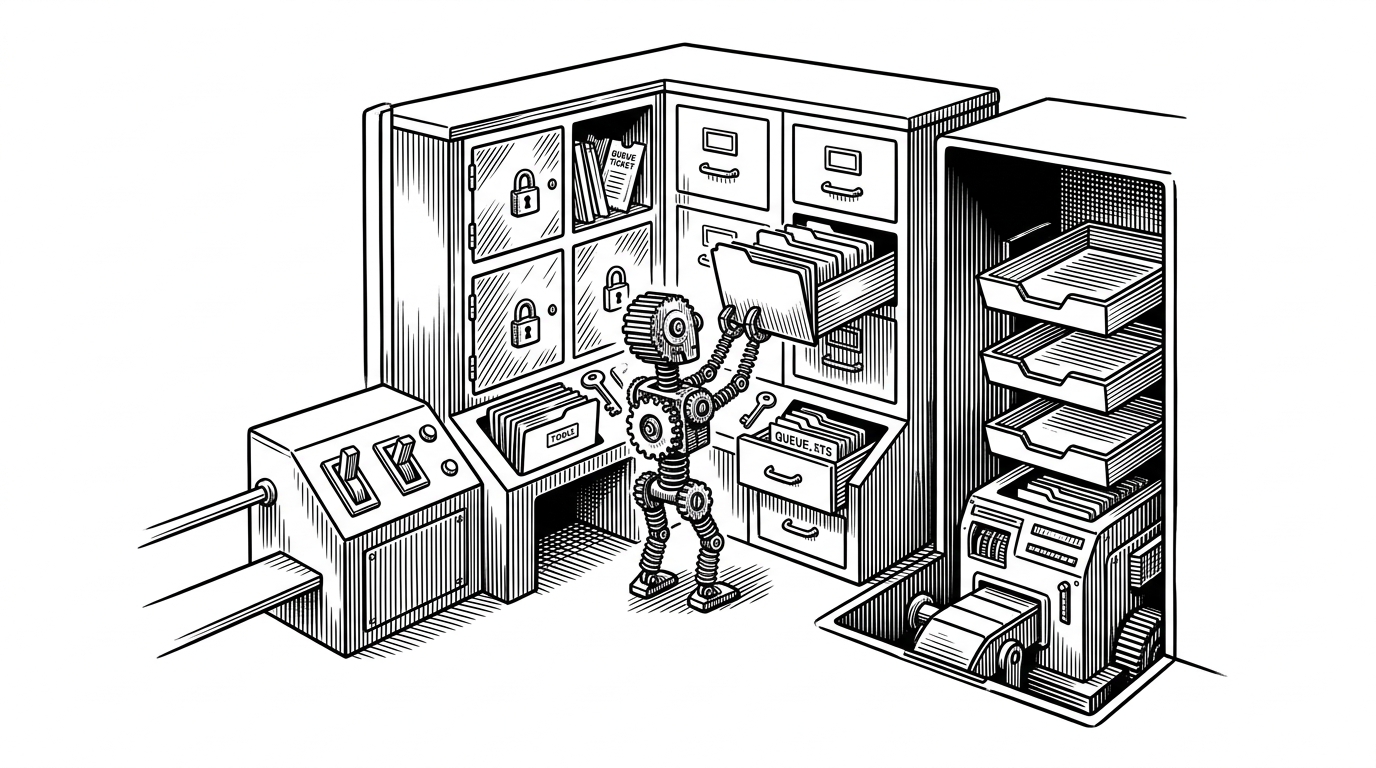
This is the heart of the architecture. A full interaction becomes a turn, and each turn is broken into bounded slices. That lets ClawPress pause between pieces of work and resume later, which is exactly what a WordPress plugin needs when the request lifecycle is short.
The turn/slice model is what makes the agent feel native to the platform. It can claim a slice, do one bounded action, persist state, and hand the rest off to the next request or scheduler tick. In other words, the model is not trying to be clever all at once. It is trying to be durable.
Why the Agent Can Remember What It Is Doing
ClawPress does not treat persistence as an afterthought. The run store tracks states like queued, claimed, running, success, and fail, which turns the agent into a proper state machine instead of a one-shot prompt.
The idempotency story is just as important. It means the system is designed to survive retries and concurrency without repeating the same action twice. That is the kind of boring discipline you want when an AI is allowed to touch a live site.
| Dimension | Typical WP AI plugin | ClawPress |
|---|---|---|
| Execution | Synchronous reply in one request | Background slices that can resume |
| State | Light session memory, if any | Run store with lifecycle states |
| Reliability | Best-effort prompt flow | Idempotency and claimed work records |
| Failure handling | User sees a stalled chat | Task can fail cleanly and be retried |
| Fit for agents | Chat-first | Worker-first |
The Workspace and the Abilities System
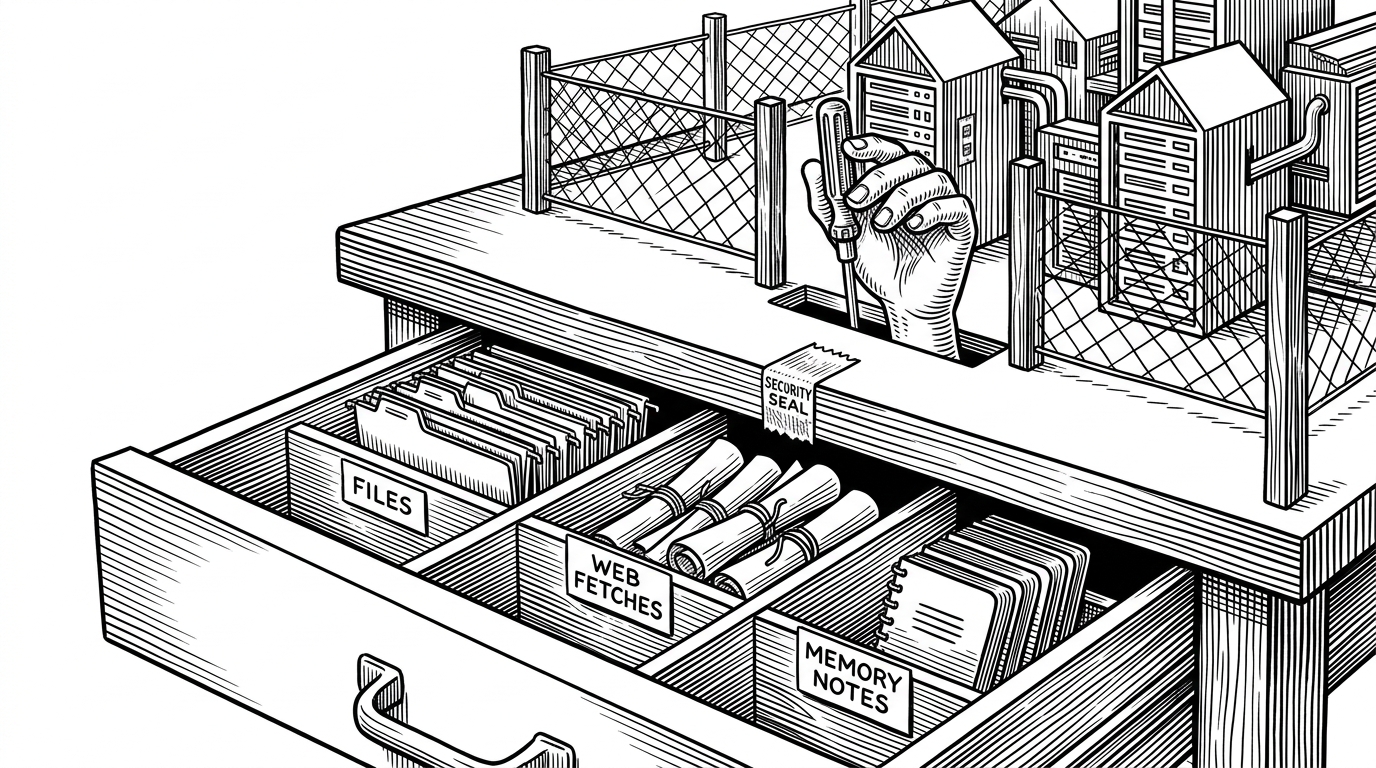
The security model is where ClawPress stops looking like a clever demo and starts looking like infrastructure. The agent gets abilities such as file I/O and web fetch, but only inside a constrained workspace, such as an uploads directory tied to the agent.
That is the difference between giving AI a tool and giving it the keys to the building. It can act, but only inside a bounded sandbox with explicit permissions and limited reach.
| Security model | What the agent can do | Risk profile |
|---|---|---|
| Open access | Read and write anywhere on the server | High risk, hard to audit |
| Prompt-only | Suggest actions but cannot act | Safe, but shallow |
| ClawPress workspace | File and web abilities inside a bounded area | Useful and contained |
The Soul File Pattern
ClawPress also tries to shape behavior before it starts acting. The SOUL.md and BOOTSTRAP.md pattern gives the agent site context, identity, and a first-run orientation step.
# BOOTSTRAP.md

Read this before the first response.
- Learn the site context.
- Confirm your available abilities.
- Stay inside the assigned workspace.
- Prefer deterministic actions when a command exists.

# SOUL.md

You are an assistant for this WordPress site.
Work carefully. Persist state. Do not assume broad access.
That is a smart move because it treats agent behavior as something you can scaffold, not just prompt. The file pattern gives the system a memory of its own role and limits.
Why Betting on WordPress 7.0 Is the Whole Point
ClawPress is not trying to build a parallel AI stack. It is leaning into the WordPress AI client APIs so the agent can feel native to the platform instead of bolted on from outside.
That bet matters strategically. If the core platform becomes the dependency, the plugin can stay smaller, more focused, and less fragile than a bundle of custom AI plumbing. It also signals that the real product is the execution model, not a one-off integration.
| Strategic choice | What it buys | What it avoids |
|---|---|---|
| Own AI stack | Immediate control | Dependency sprawl |
| Core API bet | Native integration path | Rebuilding platform primitives |
| Plugin wrapper | Fast launch | Shallow coupling to WordPress internals |
How ClawPress Compares to Normal WordPress AI Plugins
The cleanest way to read ClawPress is as a contrast class. It is not just another AI plugin. It is trying to become the runtime for site-level actions.
| Type | Primary mode | Persistence | Permissions | Best use |
|---|---|---|---|---|
| Normal chat plugin | Answer questions | Minimal | Broad or vague | Drafting and Q&A |
| Generic agent framework | External orchestrator | External store | Depends on adapter | Cross-platform automation |
| ClawPress | WordPress-native worker | Run store and slices | Bounded workspace abilities | Autonomous admin tasks |
That contrast is the whole story. ClawPress is betting that the future of AI in WordPress is not a smarter chatbot. It is a safer worker with a memory, a queue, and a narrow set of hands.