MoA-X: The Coding Plan Engine That Makes Three CLIs Argue Before You Touch the Repo
Inside a cross-lab Mixture-of-Agents harness that turns Codex, Gemini, and Claude into parallel proposers, broadcast refiners, and a final aggregator for repo-grounded implementation planning.

- MoA-X treats vendor CLIs as the integration surface, so the orchestration happens in subprocesses instead of through a conventional agent SDK.
- Its core trick is staged deliberation: parallel proposals first, broadcast refinement second, synthesis last.
- The adapters matter more than the slogan, because each vendor gets different handling for schema, validation, and prompt diversity.
- The project spends wall-clock time on purpose, betting that slower planning can save far more time during implementation.
MoA-X is not another general-purpose agent framework wearing a fresh label. It is a narrower and stranger idea: use Claude Code, Codex, and Gemini as subprocesses, then let their disagreement become the raw material for a better implementation plan.
That choice changes the center of gravity. Instead of optimizing for chat, MoA-X optimizes for repo-grounded planning, where the output is not a clever answer but a usable path through a codebase.
A small, CLI-native take on the 2024 Mixture-of-Agents paper, pointed at a different job: producing repo-grounded implementation plans for coding agents instead of chat answers.
Why MoA-X Exists
The repo starts from a simple bet: code work is expensive enough that a slower planning loop can still pay for itself. If the system can surface better architectural decisions before a line changes, the wall-clock hit starts to look like insurance rather than overhead.
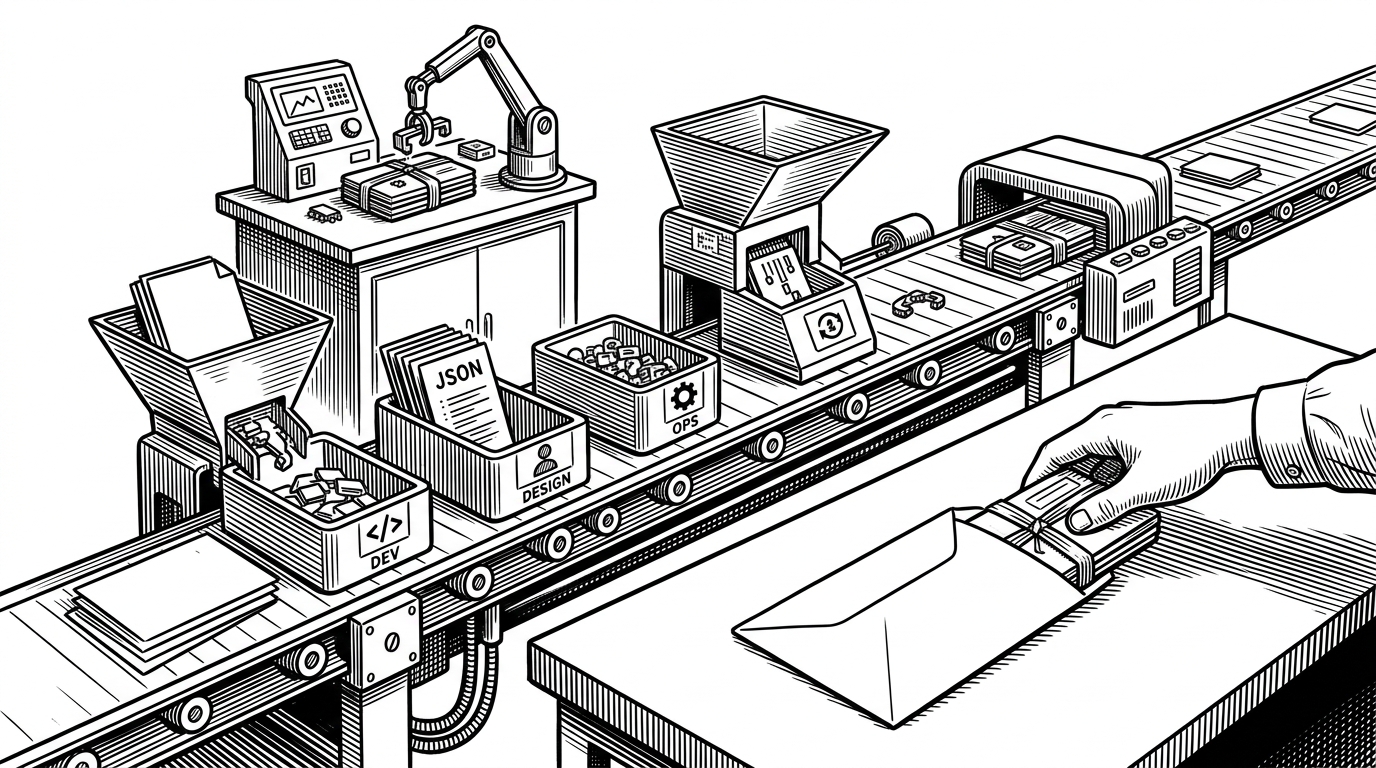
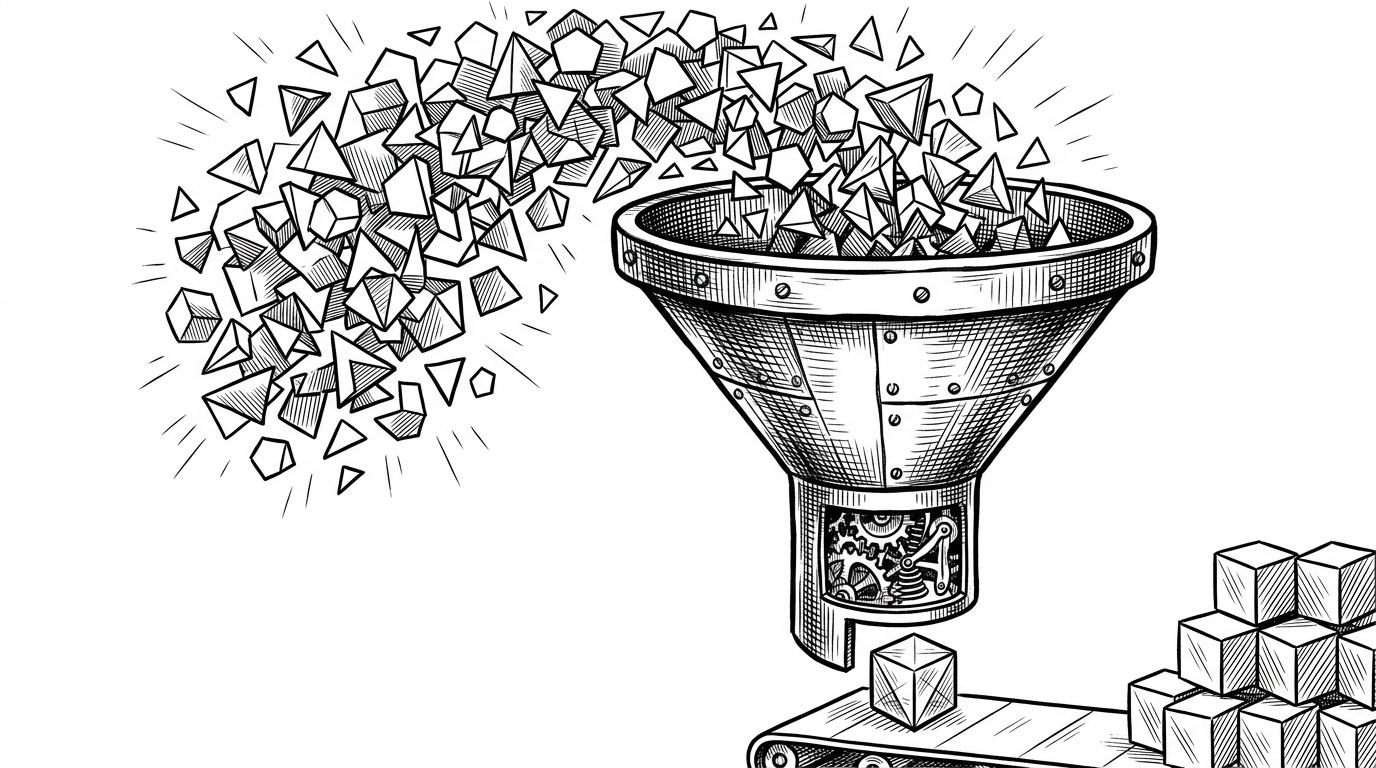
That is why the project is built around a scout brief, three independent proposers, two broadcast refiners, and one aggregator. It is not just many agents. It is a funnel that forces divergence early and convergence late.
The Four-Layer Deliberation Loop
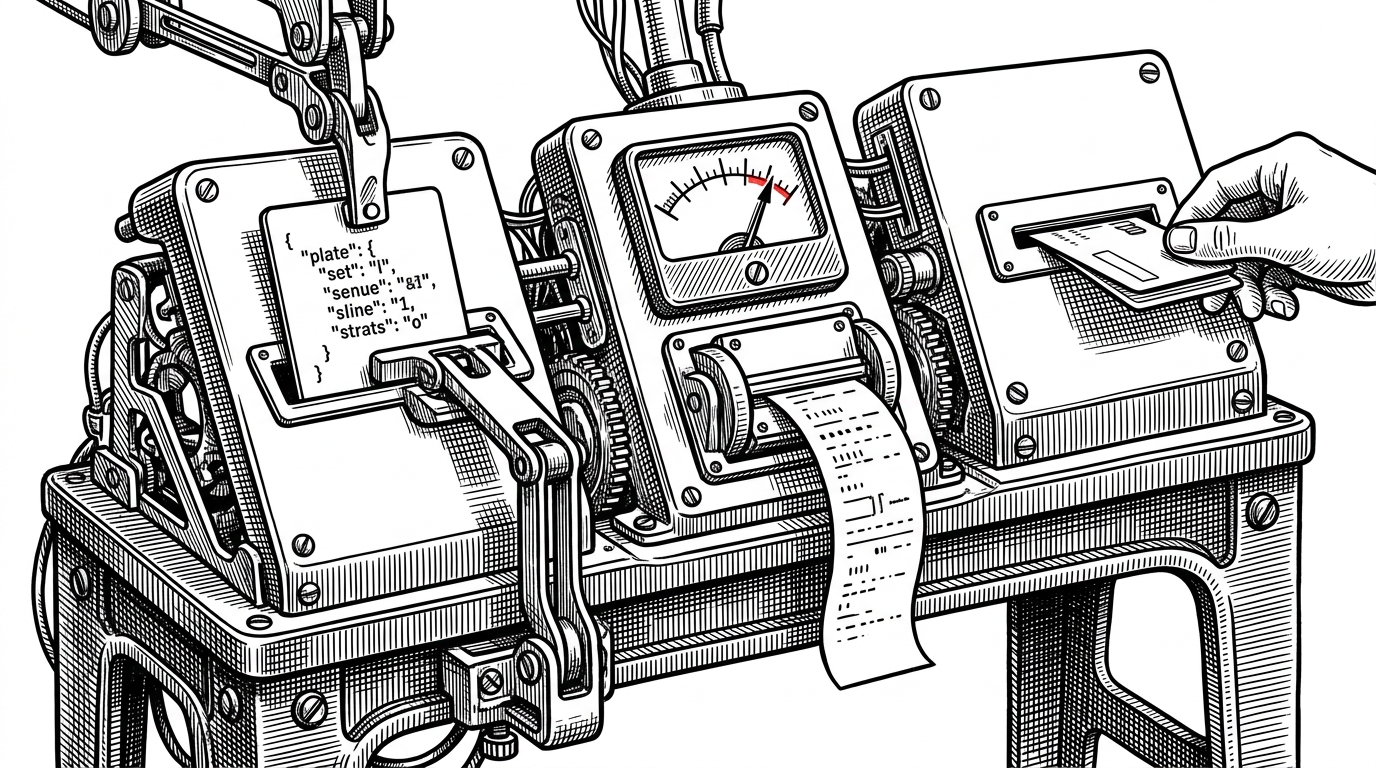
Layer 0 is the scout brief. It gathers repo context, then hands the same problem to three different vendor CLIs in parallel. That parallelism matters because the system wants distinct first passes, not a single averaged answer.
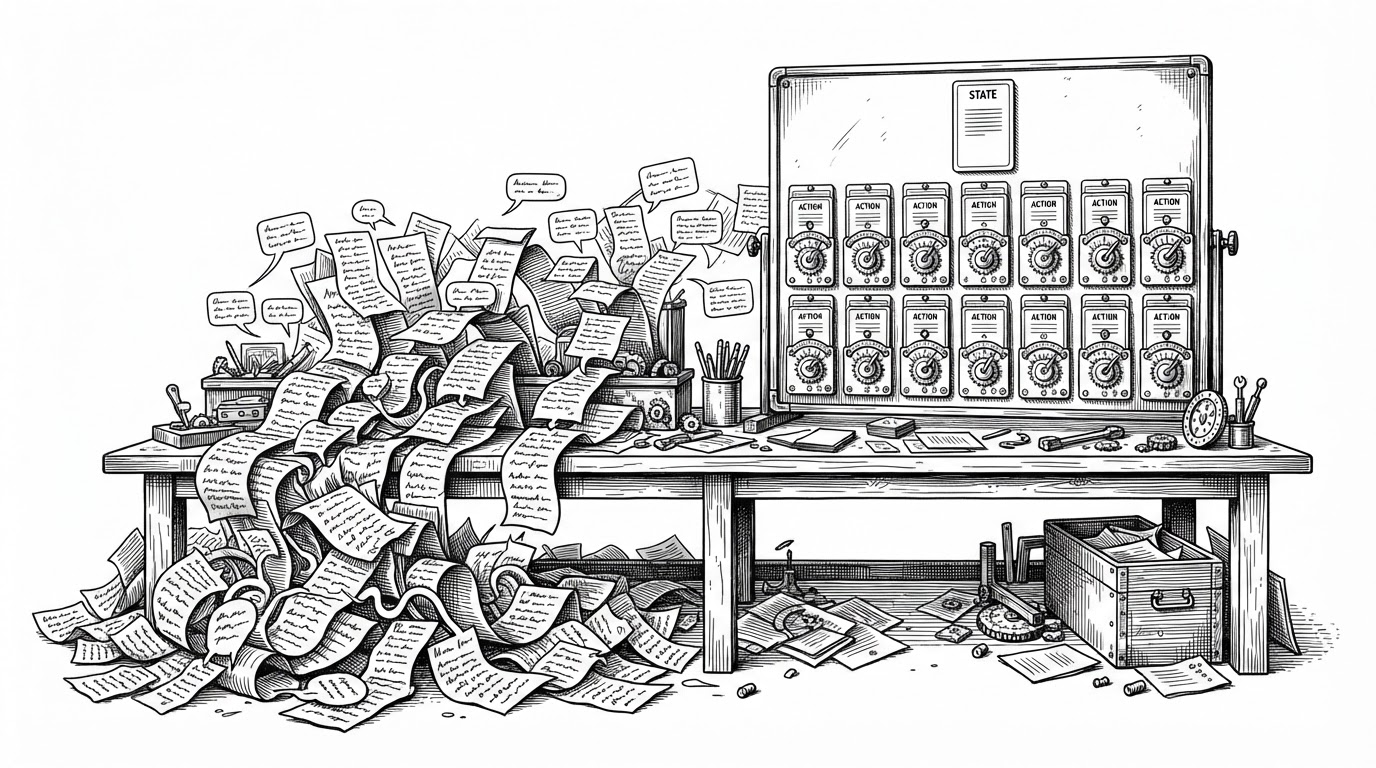
Layer 2 is where the architecture gets interesting. The refiners do not each work on one proposal in isolation. They receive the whole set, which creates pressure toward agreement without erasing useful disagreement.
The final aggregator is the compression stage. It turns competing plans into one implementation path, which is the whole point of the exercise.
The Clever Part Is Not the Prompt
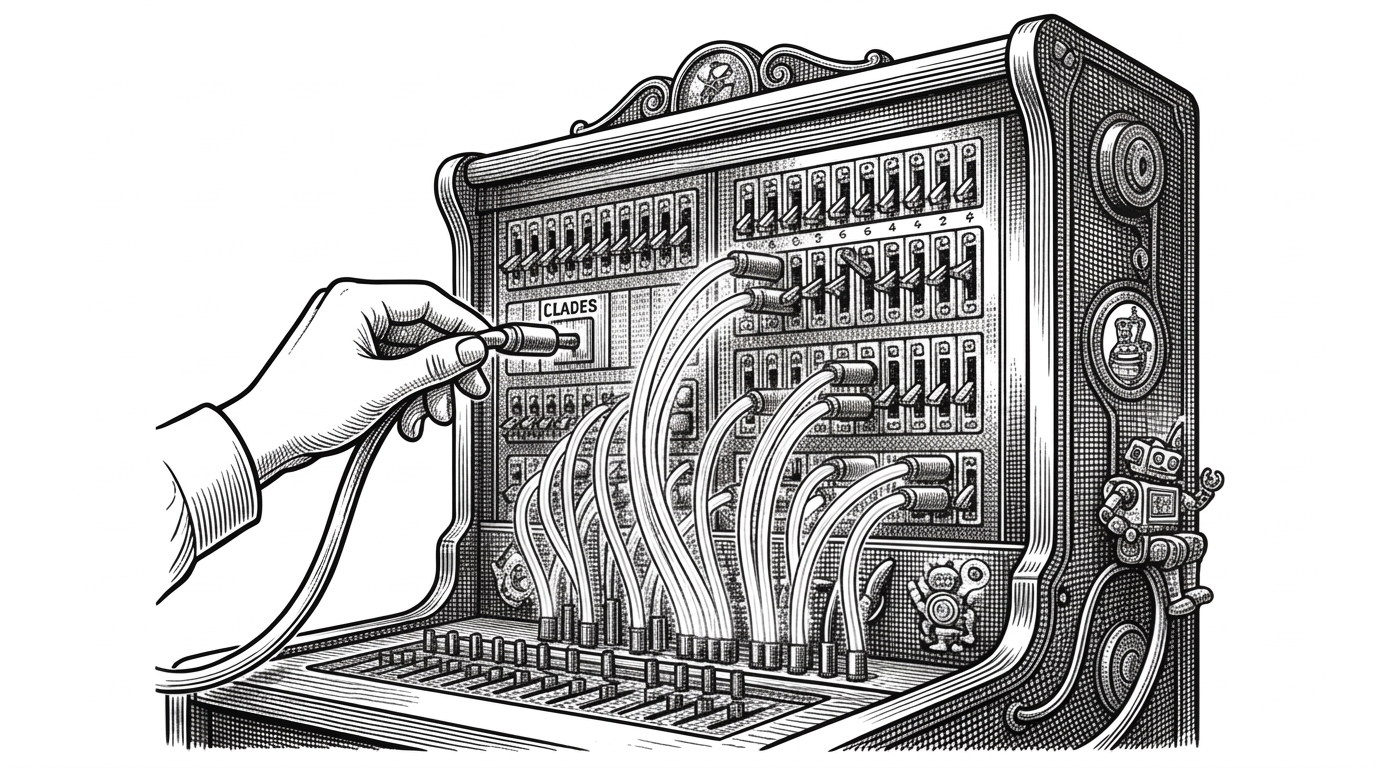
The repository is smart about the fact that the vendor tools are not equal. Codex gets native schema enforcement through its CLI, Gemini gets post-hoc validation plus version-sensitive handling, and Claude gets a temperature-diversity shim because the CLI does not expose a temperature knob.
That is the real systems insight here. MoA-X does not pretend model diversity is free or uniform. It builds a small translation layer around each CLI so the differences become a feature instead of a source of brittle failure.
# Adapter idea, simplified
if provider == "codex":
    run_with_output_schema(schema)
elif provider == "gemini":
    run_cli()
    validate_json_afterward()
elif provider == "claude":
    inject_diversity_prompt_shim()
    run_cli()
Why Cross-Lab Diversity Matters
The README is explicit about the premise: three proposers from three different labs read the repo in parallel and each write an independent plan. That is not a cosmetic choice. It is the architecture.
MoA-X is betting that model families have different blind spots, different habits, and different failure modes. If you want a better coding plan, you may be better off combining partial strengths than waiting for one model to become perfect.
| Approach | Orchestration style | Unit of abstraction | Diversity strategy | Best fit |
|---|---|---|---|---|
| MoA-X | CLI-native Mixture-of-Agents | Repo-grounded plan | Cross-lab parallel proposals plus refinement | High-stakes implementation planning |
| LangChain | General LLM orchestration | Chains, tools, graphs | Configured by the builder | Broad application development |
| AutoGen | Conversational multi-agent system | Agent conversations | Conversation topology | Interactive agent experiments |
| CrewAI | Role-based agent crews | Tasks and roles | Role specialization | Task delegation workflows |
| Single-agent CLI | Direct model call | One response | None | Fast drafting and quick answers |
That table hides the real contrast. MoA-X is not trying to be the broadest toolkit. It is trying to be opinionated about one thing: planning software work with enough deliberation to be useful.
What It Costs to Get a Better Plan
The repo’s own timing claim is blunt. A run can take 6 to 12 minutes. That sounds slow until you remember what it is buying: three independent reads of the same codebase, two refinement passes, and one synthesized plan.
For trivial changes, that latency is too high. For architecture work, refactors, and anything likely to spread across files, the cost can be rational. The question is not whether it is fast. The question is whether it prevents the wrong first move.
| Work type | Single-agent speed | MoA-X trade-off | Likely winner |
|---|---|---|---|
| Small edit | Very fast | Too much ceremony | Single-agent workflow |
| Medium feature | Fast | Moderate planning tax | Depends on risk |
| Cross-cutting refactor | May miss context | Higher confidence plan | MoA-X |
| Architecture decision | Often shallow | Better deliberation | MoA-X |
Where It Fits in the Agent Landscape
Compared with LangChain, AutoGen, and CrewAI, MoA-X is smaller, more specific, and more opinionated. It is not trying to be the platform layer for every agent pattern. It is trying to make one pattern, MoA-style deliberation, actually useful for coding.
That specificity is a strength. The repo is easier to reason about because its abstractions are close to the job: scout, proposer, refiner, aggregator. You do not have to decode a general framework to understand what is happening.
Three proposers from three different labs (OpenAI codex, Google gemini, Anthropic claude Sonnet) read the repo in parallel, do their own web research, and each write an independent plan.
The Maturity Read
MoA-X feels like a sharp experimental system, not a finished platform. The codebase is small, the layout is clean, and the design choices are highly legible. That is usually what a useful early repo looks like.
The strongest read is also the simplest one. This is probably most valuable today as a pattern. If the pattern proves itself, the product surface can grow later.