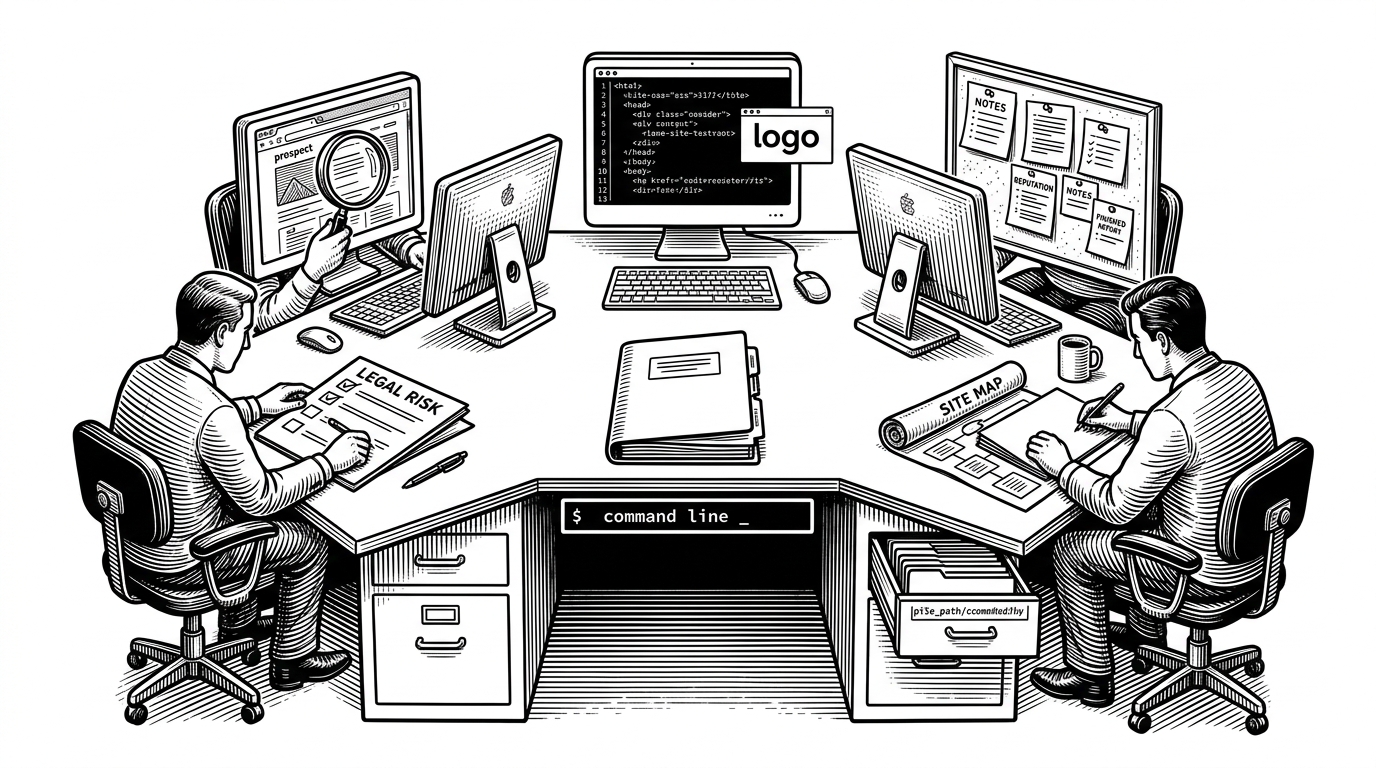
ai-trading-claude: The Open-Source Stock Research Desk Hiding Inside Claude Code
A five-agent trading workflow that pulls live web data, assigns specialized roles, and turns prompt files into a repeatable analyst pipeline.
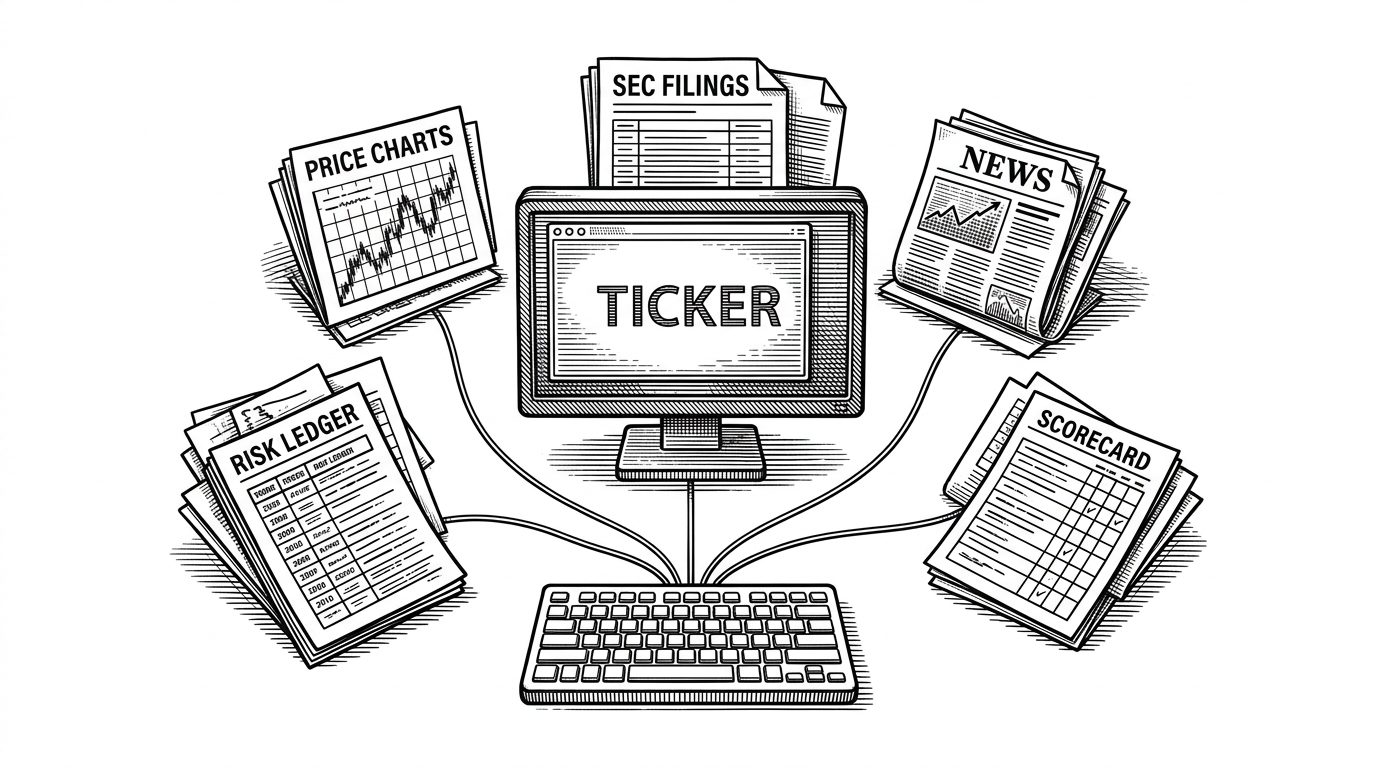
- ai-trading-claude turns Claude Code into a miniature research desk, not a chat bot, by splitting one ticker into five specialist lanes and recombining them into one judgment.
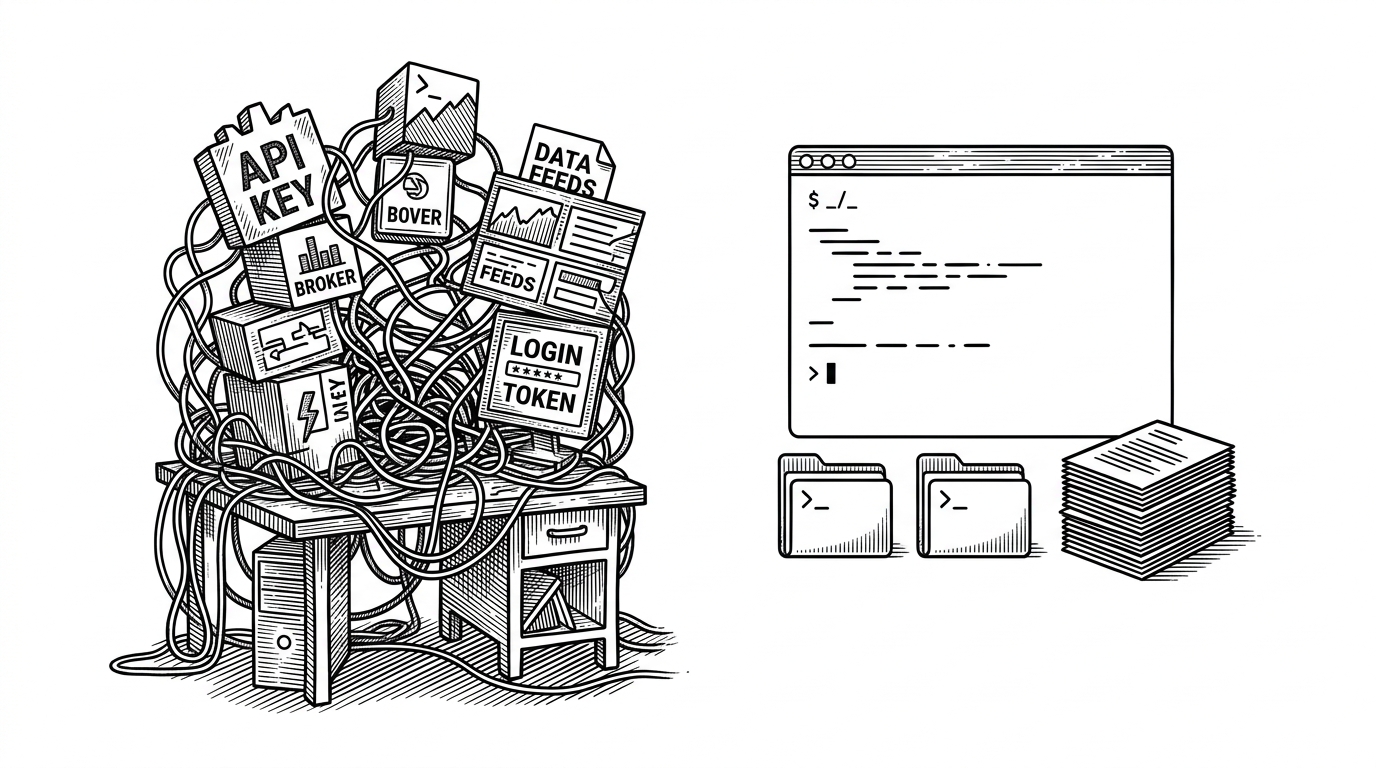
- Its biggest structural trick is the zero-API setup, which treats the live web and Claude’s tool use as the data stack instead of paying for a separate market-data pipeline.
- The orchestrator matters more than any single prompt because it prevents duplicate search work, runs analysis in parallel, and then converts disagreement into a weighted score.
- The repo points to a broader pattern in fintech tooling: prompt design and orchestration can now do a surprising amount of the work that used to require a full research platform.
The interesting part of ai-trading-claude is not that it can talk about stocks. It is that it behaves like a small research desk. One command breaks a ticker into specialized analysis lanes, then compresses the result into a single trade score and grade.
That shift is bigger than it looks. Most trading tools either lean on paid APIs or stop at generic chat. This repo uses Claude Code itself as the orchestration layer, then uses Markdown prompts as the operating system.
The analyst desk is now a prompt file
The repo’s core move is simple to state and easy to miss: it turns a CLI session into a multi-step workflow. First comes a discovery brief. Then five specialist agents evaluate the same idea from different angles. Finally, a synthesis step turns those opinions into one output.
That is why the project feels less like a bot and more like a workflow engine. The prompts define the job roles, the orchestrator defines the process, and the score makes the result legible.
The real design choice is not the agents. It is the avoidance of duplicate work. The orchestrator fetches the obvious facts once, then fans out the analysis. That keeps the specialists focused on judgment instead of all wasting time rediscovering the same price and headline data.
Why this repo feels different from a normal trading bot
Most retail trading stacks accumulate dependencies fast. You need market data, broker access, news feeds, and some glue service to keep it all together. This project cuts across that pattern by relying on Claude’s web search and fetch tools, plus a local prompt structure. In practice, that lowers setup friction and makes the workflow easier to move around.
| Dimension | Traditional setup | ai-trading-claude | Why it matters |
|---|---|---|---|
| Data source | Paid market and news APIs | Live web search and fetch | Less setup, fewer keys, lower cost |
| Workflow | Scattered scripts and dashboards | One Claude Code command | The process feels cohesive |
| Specialization | Usually one model output | Five role-specific agents | Better separation of concerns |
| Synthesis | Manual or hard-coded rules | Weighted score and grade | Tradeoffs stay visible |
| Extensibility | New services and integrations | New prompt files and agents | Architecture stays light |
The orchestrator turns one query into five specialists
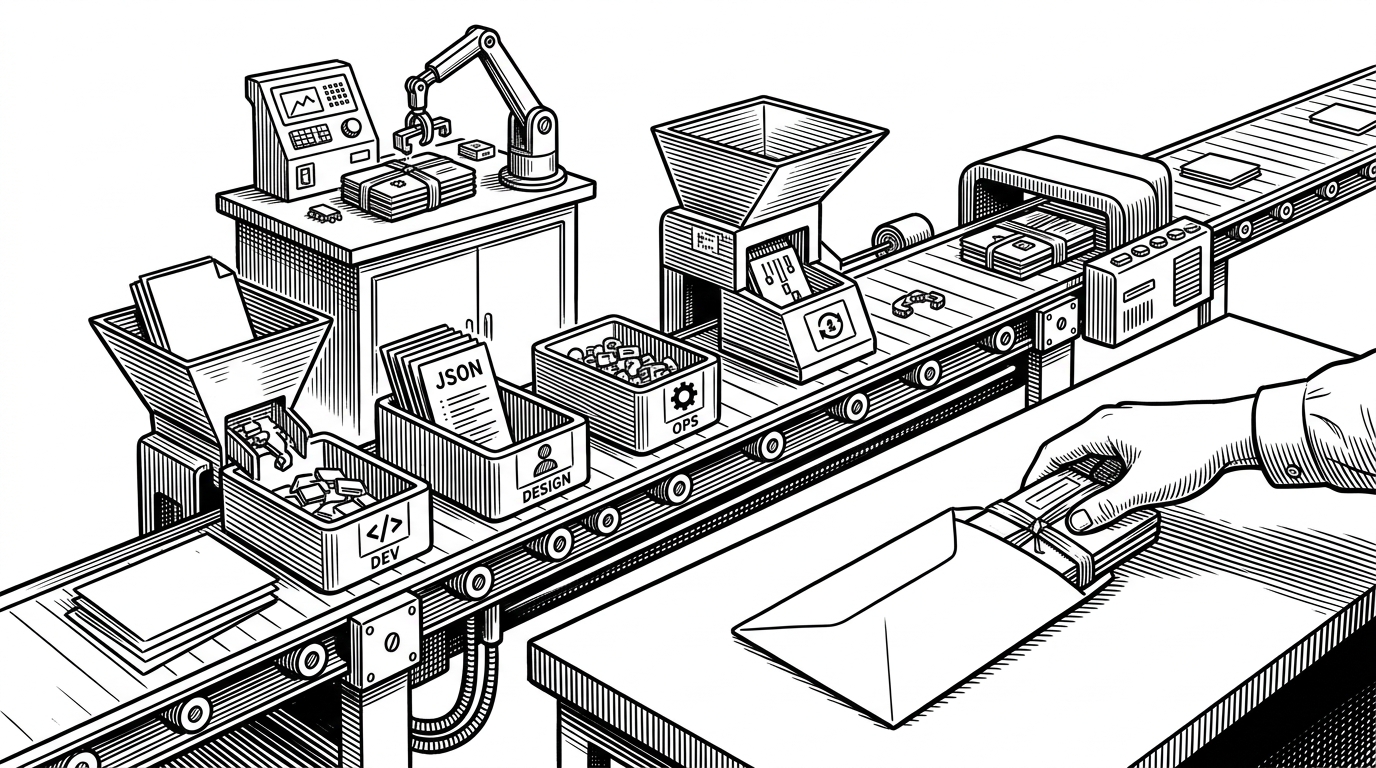
This is the technical center of gravity. The orchestrator starts with a discovery pass so the agents do not repeat the same search work, then launches them in parallel, then collects their outputs into a single recommendation. That sequence matters because it preserves speed without flattening the analysis into one generic answer.
The research report in the repo describes a three-phase flow: discovery, parallelism, synthesis. In plain English, that means the system first learns the basics, then delegates, then weighs the results. It is a small pattern, but it is the whole trick.
# Orchestration flow
1. Discovery brief: fetch price, market cap, and recent news once
2. Parallel agents: technical, fundamental, sentiment, risk, synthesis
3. Weighted merge: combine outputs into trade score and grade
The score layer is what keeps the system from feeling like a pile of opinions. A weighted merge gives users a way to see which signals carried the result and where the analysis was conflicted.
What each agent is doing
| Agent | Primary lens | What it looks for | Why it helps |
|---|---|---|---|
| Technical | Momentum and trend | EMA stacks, RSI, MACD | Separates direction from narrative |
| Fundamental | Business quality | Moat, valuation, DCF-style logic | Anchors the thesis in operating reality |
| Sentiment | Market tone | News and public chatter | Catches fast-moving perception shifts |
| Risk | Failure modes | Black swans, ATR-based sizing | Forces downside awareness |
| Synthesis | Decision layer | Trade score and grade | Turns disagreement into one output |
That split is more disciplined than it first appears. These are not fuzzy personas. They are constrained jobs with different signal sets, which is why the outputs can be merged instead of just averaged.
The trade score is the product
The repo’s real user-facing output is not a pile of agent text. It is the trade score and grade. That matters because a score creates an interpretable surface on top of a messy reasoning process. You can see whether a name looks attractive because the trend is strong, because the valuation is sane, or because the risk profile is tolerable.
That also makes the system easier to challenge. If the score looks wrong, you can trace it back to the weighting, the agent output, or the discovery brief instead of staring at a black-box yes or no.
install.sh is small, but it matters
The install script is the least glamorous file here, and one of the most important. It detects the Claude Code environment, creates the expected hidden directories, and supports local and remote installation flows. That is the difference between a demo and something another person can actually adopt.
#!/usr/bin/env bash
set -euo pipefail

mkdir -p "$HOME/.claude/skills"
mkdir -p "$HOME/.claude/agents"
# detect Claude Code, then install the skill and agent prompts
Small infrastructure like this says a lot. It means the author expected a real workflow, not a one-off prompt experiment.
What this project says about fintech tooling
The broader lesson is not that every trader should ask Claude to pick stocks. It is that financial tooling is getting reassembled around orchestration. The expensive part is less about computing answers and more about organizing the work, separating concerns, and making the result reviewable.
That is a big shift. In this repo, prompt files do what a product team, a junior analyst, and a research wrapper might otherwise do separately. The value is in the pattern: one input, many specialist passes, one accountable output.
| Old model | New model | What changed |
|---|---|---|
| GUI-first research | CLI-orchestrated research | Fewer screens, more process |
| API-heavy stacks | Web + prompt stack | Lower barrier to entry |
| One model answer | Parallel specialist opinions | Better internal checks |
| Static scripts | Composable agent prompts | Easier to extend |