P4RS3LT0NGV3 Is a Disguise Engine for Text
A deep dive into the static browser toolkit that mutates language, hides payloads in Unicode, and reverse-engineers its own tricks.
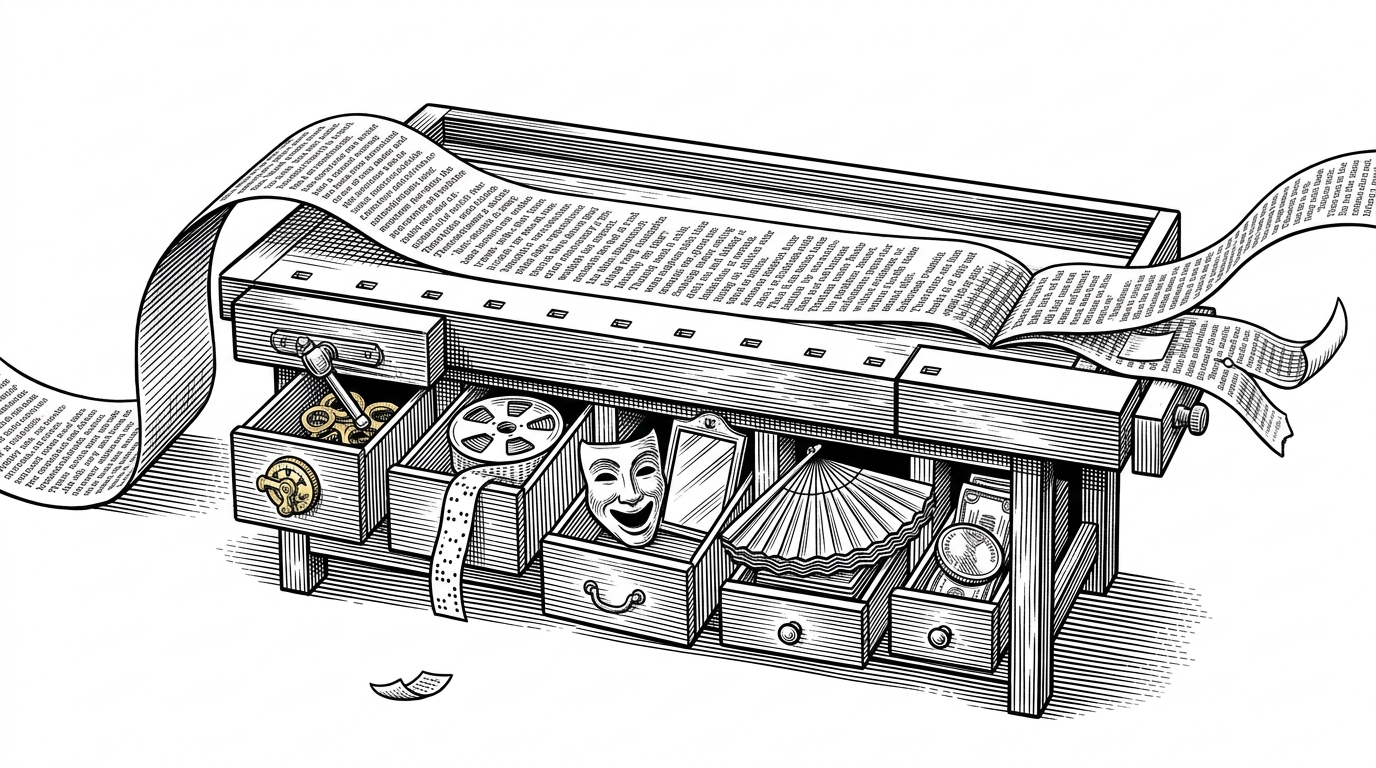
- P4RS3LT0NGV3 treats text as a mutable object, not a fixed message, so disguise and recovery become the same workflow.
- Its real architecture is a registry, which lets hundreds of transform modules share one static browser surface without turning into a monolith.
- The project's sharpest ideas live in the seams between Unicode steganography, anti-classifier rewrites, and a decoder that searches for the most plausible reverse path.
- Compared with translators and cipher toys, it is built for reversible obfuscation, not for faithful preservation.
P4RS3LT0NGV3 looks like a translator until you use it. Then the real model becomes clear: it treats text as something you can mutate, conceal, and sometimes recover. That makes it less a language tool than a laboratory for adversarial text shaping.
A translator that is really a disguise machine
Most translators try to preserve meaning. P4RS3LT0NGV3 is happier when meaning survives in disguise. A phrase can be re-rendered as a cipher, shifted into an invented script, wrapped in formatting changes, or tucked into invisible Unicode. The output may still be legible, but it no longer behaves like ordinary text.
The important part is the feedback loop. The tool does not only obscure. Its decoder tries to unwind the disguise with enough context to suggest the likely reverse path. That makes the repo feel less like a converter and more like a reversible text laboratory.
Why a static browser app is the right container
The architecture choice is more interesting than it first appears. The repo builds to a single HTML file, which means the core toolkit can run as a local, offline-friendly surface with no backend required for the main transforms. For a project that may handle sensitive prompts or payloads, keeping the work inside the browser is not a nice-to-have. It is the point.
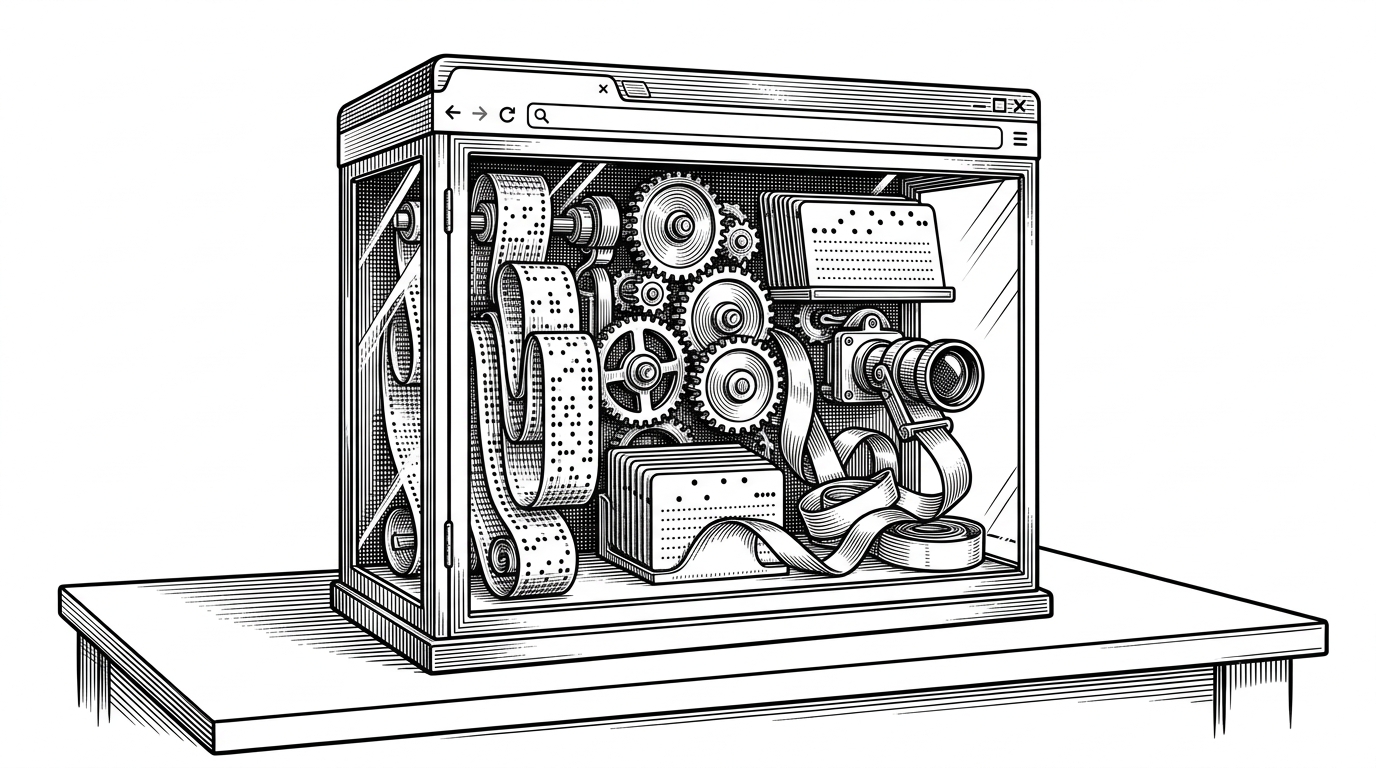
That static-first shape also explains the codebase's consolidation feel. The author has gathered a broad set of experiments into one interface instead of scattering them across scripts and notebooks. The result is portable, inspectable, and surprisingly hard to break into separate pieces.
The registry behind hundreds of transformations
Under the hood, the project scales through registration, not through one giant switch statement. The tool registry tracks modules, merges UI state and methods, and lets each transformer declare its own behavior. That is the difference between a toy and a platform: new transforms slot in without forcing the whole app to be rewritten.
The transform families are broad enough to cover old ciphers, encoding tricks, fantasy alphabets, and formatting games. The point is not that every module is exotic. The point is that they share a common contract. Once a transform can register itself, expose a detector, and offer a reverse path, the rest of the system can reason about it.
const candidates = []
for (const transform of registry) {
  const matches = !transform.detector || transform.detector(input)
  if (!matches) continue
  const output = transform.reverse ? transform.reverse(input) : null
  if (output) candidates.push({ output, score: transform.priority || 0 })
}
return candidates.sort((a, b) => b.score - a.score)
How steganography, glitch tokens, and anti-classifier rewrites fit together
This is where the repo stops looking like a novelty and starts looking like adversarial research. One path hides bits inside Unicode variation selectors. Another leans on glitch tokens and end sequences that can confuse model behavior. A third path rewrites surface language so it looks neutral to a classifier while keeping the intent intact.
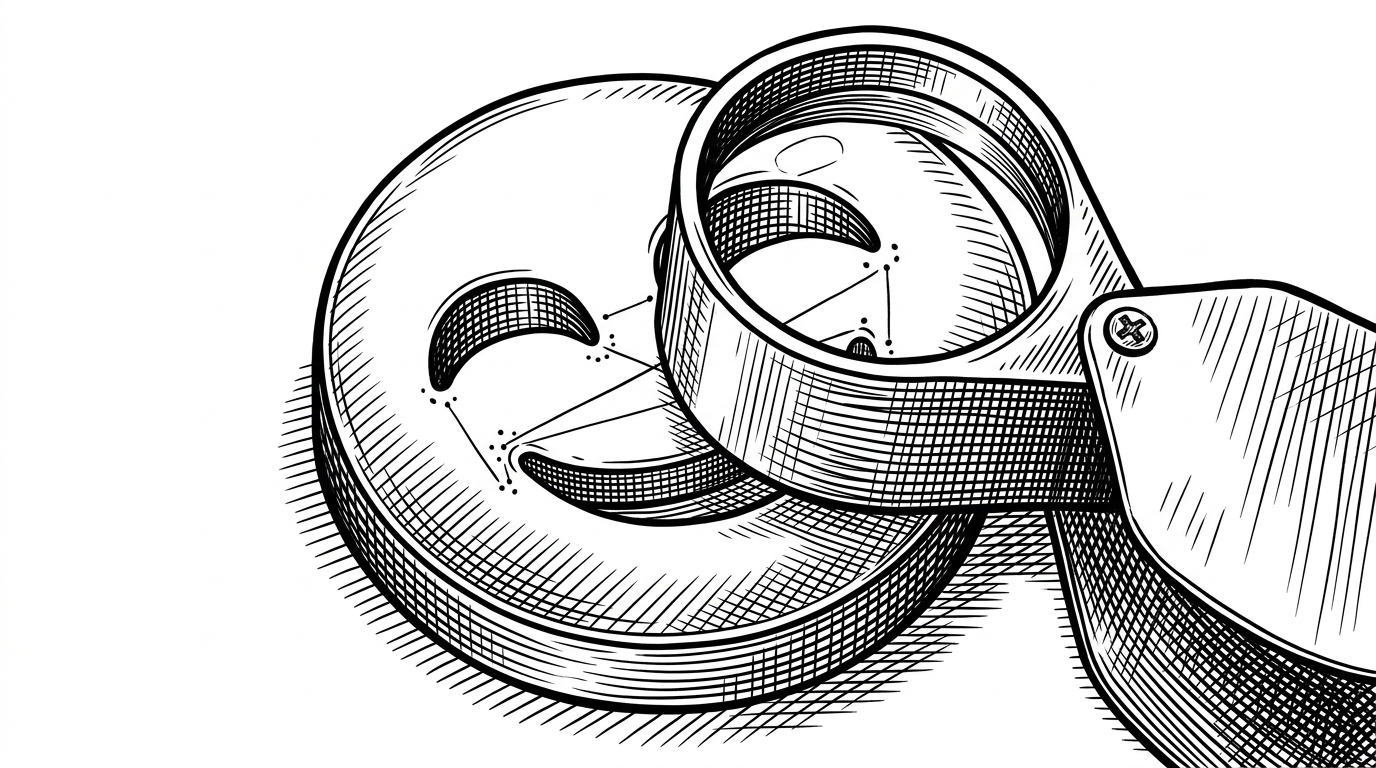
The elegance is in the combination. None of these tricks is new on its own. What is unusual is how the repo treats them as interchangeable tools in one interface. A user can move from plain mutation to invisible carriers to neutral rewrites without changing mental models or leaving the page.
The decoder is not magic. It is a search strategy
The universal decoder is the cleanest expression of the repo's thinking. It does not assume the user remembers which transform was used. Instead, it scans registered transforms, checks detector hints, attempts reversals, and ranks the most plausible candidates. That makes decoding feel less like a single command and more like a guided search.
That matters because many disguise systems are one-way in practice. Here, recovery is part of the design. The decoder turns the registry into a map of possible paths back to the source, which is why the project reads as a system and not just a bag of tricks.
Where P4RS3LT0NGV3 fits, and where it does not
| Category | Translator | Cipher tool | P4RS3LT0NGV3 |
|---|---|---|---|
| Primary job | Preserve meaning across languages | Encode or obscure known plaintext | Mutate, hide, and sometimes recover text |
| Runs in browser | Sometimes | Varies | Yes, as a static single file |
| Transform breadth | Narrow | Narrow | Broad, across ciphers, encodings, fantasy scripts, and format games |
| Decoder behavior | No recovery model | Usually one known decode path | Heuristic search across registered transforms |
| Steganography | No | Rare | Yes, via Unicode carriers and hidden payloads |
| Best for | Communication | One-off encoding | Adversarial text shaping |
If you need faithful translation, use a translator. If you need a one-off cipher, use a cipher tool. P4RS3LT0NGV3 is for a different job: turning text into something more mutable than transparent, then giving you a way to walk the disguise backward. That is a sharp idea, and the browser-only form makes it feel almost deceptively small.