Gantry Gives Every AI Agent a Badge, a Sandbox, and a Paper Trail
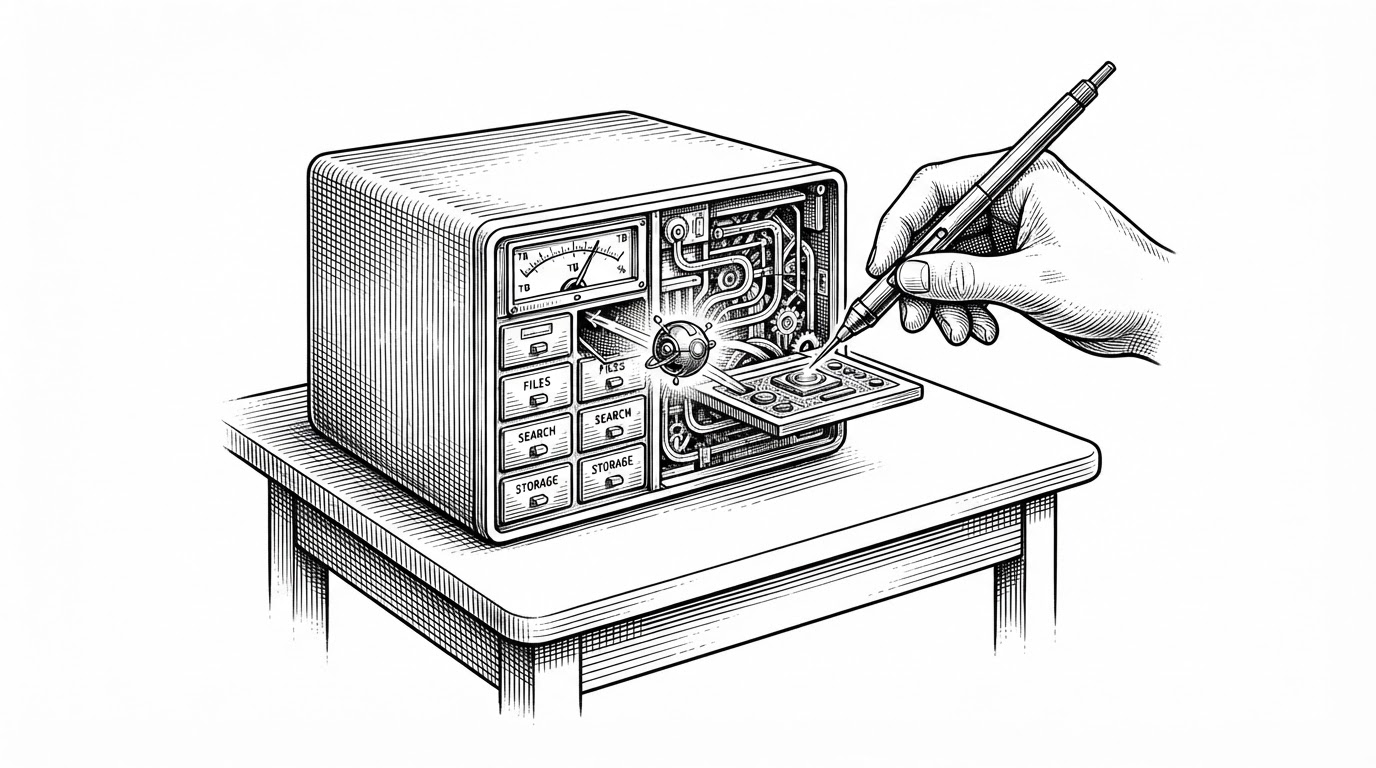
A self-hosted runtime that treats agents as governed employees: scoped identity in Slack or Teams, allowlisted credentials, a fresh isolated config per run, and audit writes that retry like production data.
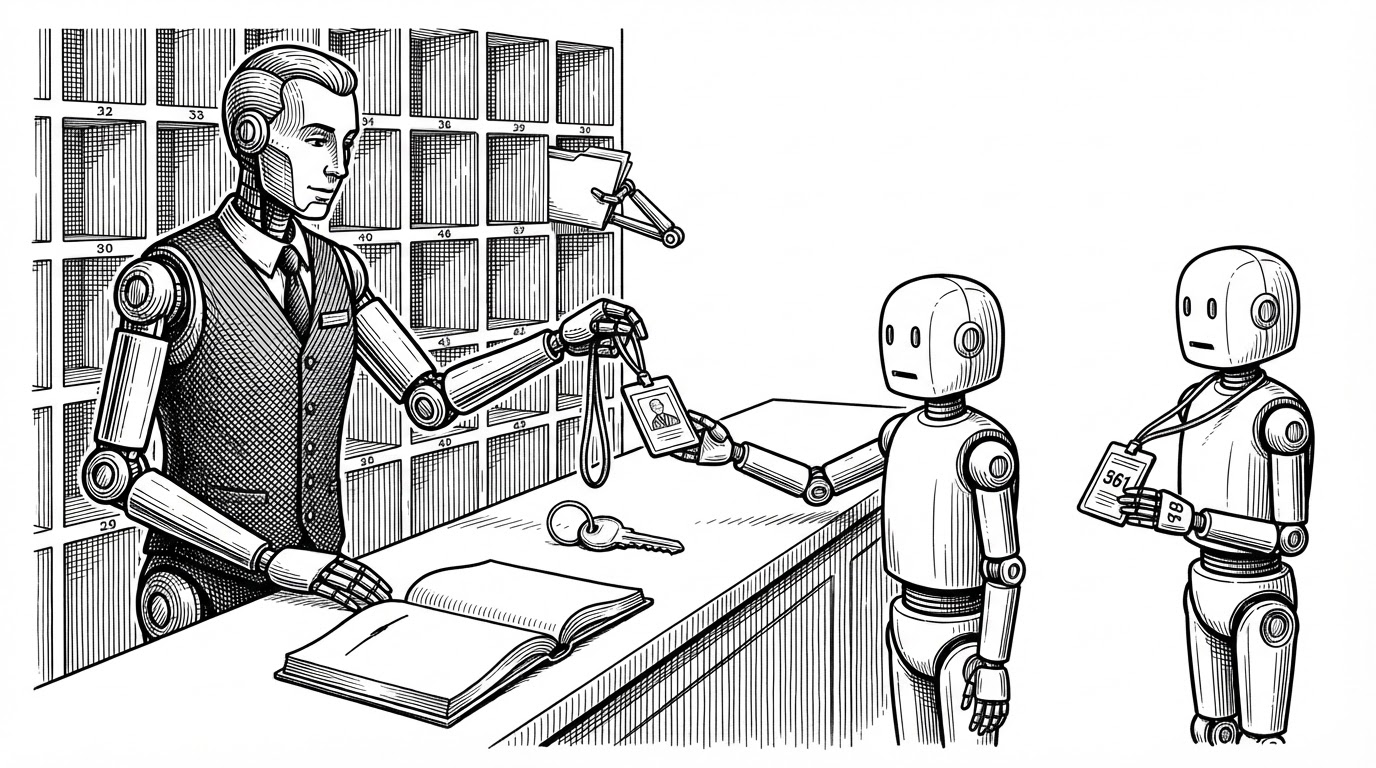
- Gantry is a bet that agent governance is a runtime property, not a prompt: identity, credentials, sandbox, and audit are settled before the model is ever invoked.
- Every run gets a disposable world, including a fresh config directory at mode 0o700, exactly four allowlisted credential keys, and deny-lists that even block skill files belonging to other engines.
- The adapter pattern is the architectural payoff: prepare() returns a declarative plan and spawns nothing, so swapping Claude Agent SDK for another provider never touches process spawning.
- Gantry is young (small star count, dozens of open issues, not yet on npm), but its deep commit history and behavior-to-test map suggest more discipline than the repo age implies.
What Happens When You Give an Agent a Seat
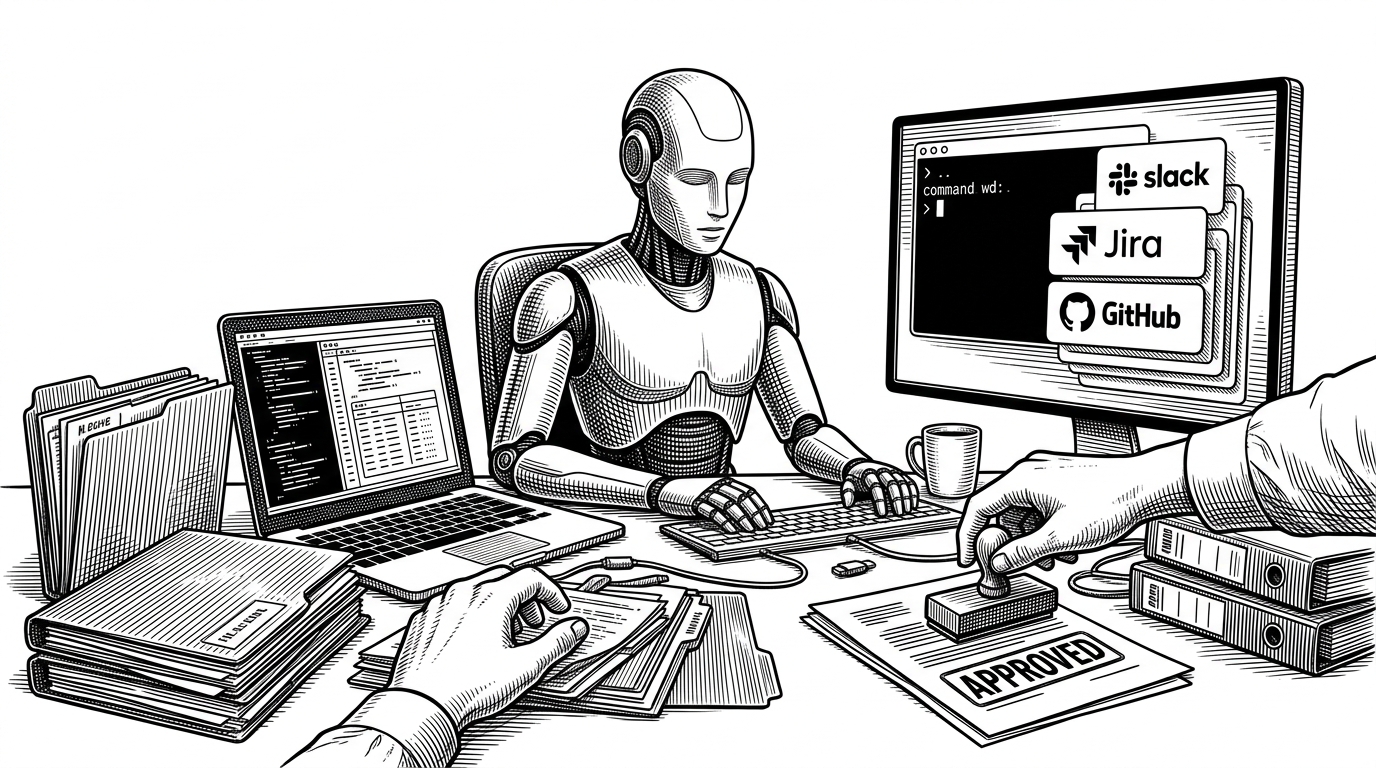
A message lands in Slack. Somewhere in an organization, a teammate has just asked an AI agent to pull a report, check a database, or open a ticket. Before a single token is generated, Gantry has already built a disposable world for that run.
It materializes a fresh config directory at mode 0o700. It writes a settings.json at mode 0o600. It clears the skills directory so no stale skill from a previous run can leak forward. It computes two protected path sets, one for reads and one for writes, and those sets include skill files that belong to other engines, so the Claude runner cannot even peek at a Codex skill. Then it hands the runner exactly four credential keys and drops everything else.
That is the interesting part. Most agent frameworks spend their complexity budget on the model loop: graphs, roles, crews, tool schemas. Gantry spends it on the boundary around the model. It assumes the LLM call is the easy half and that the genuinely hard engineering is the paperwork: who the agent is, what it may touch, which credentials reach it, what gets written down, and how you revoke all of it.
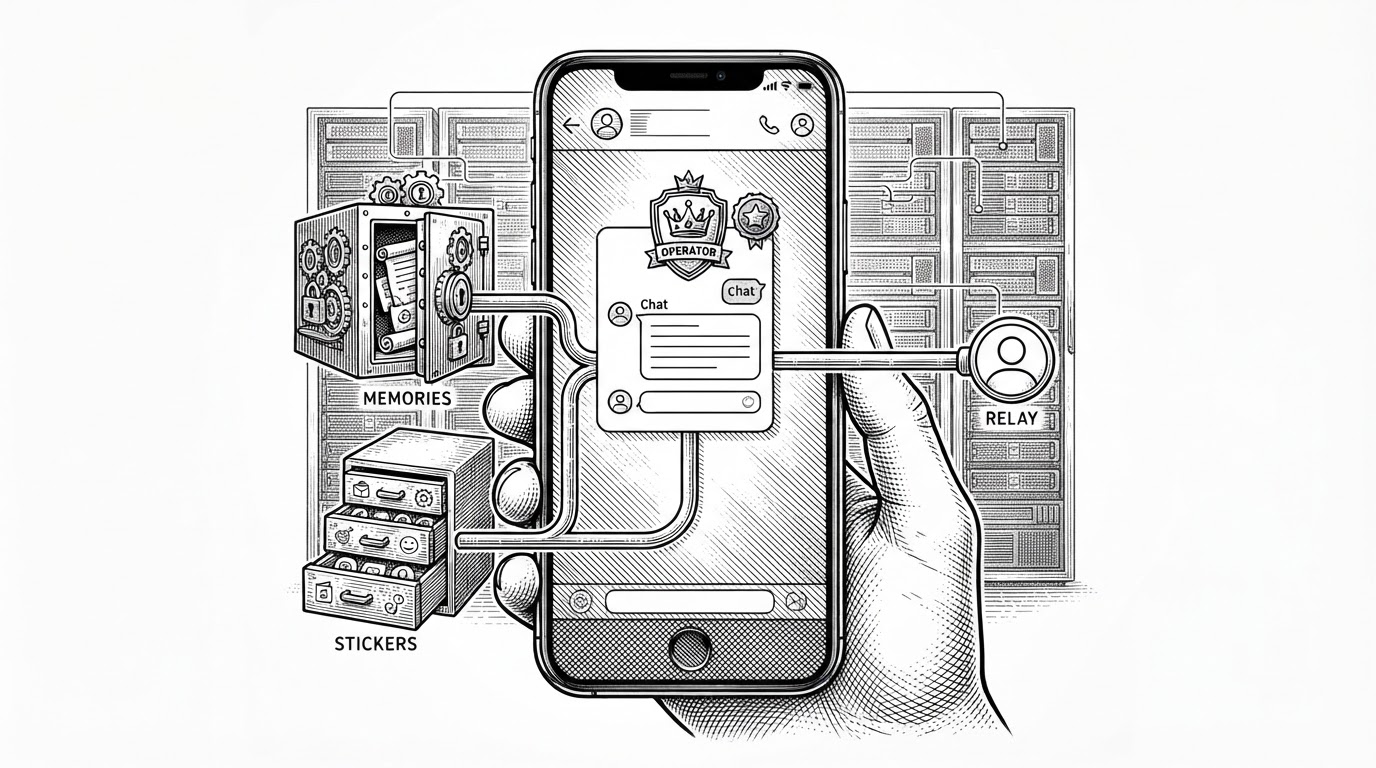
Gantry is a self-hosted, provider-neutral runtime that treats agents as governed members of a team. You give an agent a seat in Slack, Teams, Telegram, or Discord. You grant it scoped capabilities. You watch the audit trail. And when you want it gone, you revoke it in one command. The bet is simple: governance is a runtime property, not a prompt.
From a Personal Assistant to an Employee Handbook
Gantry did not start as infrastructure. It started as a personal assistant. Ravi Kiran, VP Engineering at KnackLabs, describes building an assistant called Myclaw and watching it outgrow its original shape the moment other people needed to rely on it.
A personal assistant that has to run safely, and grow to serve a whole team, stops being a personal assistant. It becomes infrastructure.
That sentence is the project's origin story in one line. A personal assistant only has to be useful. An employee has to be governable. The moment you hand an agent a seat on a team, you inherit the same obligations you have for a human teammate: identity, access, accountability, and a way to take it all back.
The README makes the same move, more bluntly. It frames the project as the runtime boundary between four things: human channels, application events and schedules, approved tools, and Postgres-backed state. And it states its ambition in a single line.
Onboard AI employees like real ones.
It is a metaphor that could have stayed a metaphor. Instead, the codebase follows it all the way down. Provisioning a seat, granting access, logging actions, revoking in one command: the README lists these as features because the metaphor demanded them.
The Adapter That Never Spawns Anything
The most elegant idea in the repo is not a feature. It is a constraint the authors imposed on themselves: the execution adapter is not allowed to launch anything.
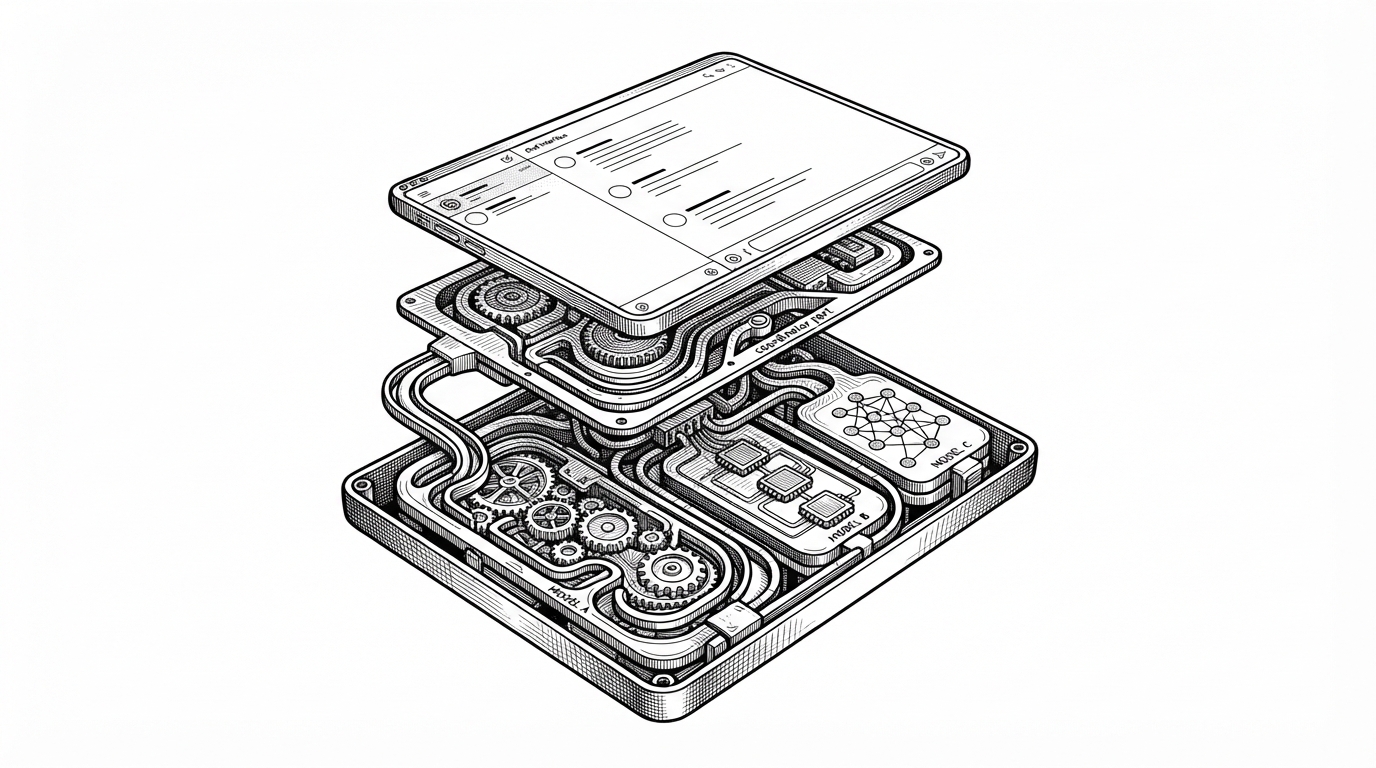
In the Claude adapter, AnthropicClaudeAgentExecutionAdapter.prepare() returns a declarative plan. That plan describes the runner path, the runner arguments, the child environment, a patch to the runner input, and the sandbox policy. It does not fork a process. A generic launcher elsewhere in the codebase reads the plan and executes it. The adapter's only job is to decide what should happen, never to make it happen.
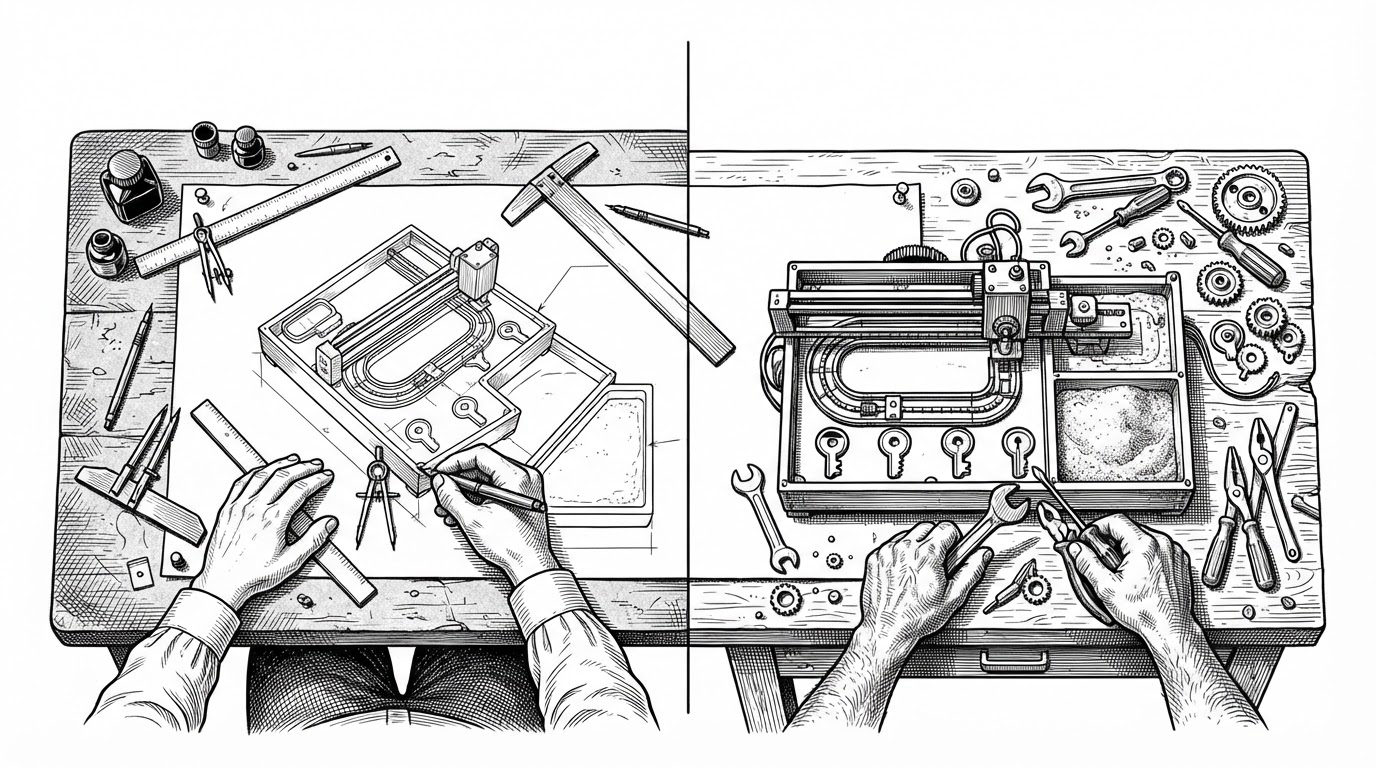
This is why the Claude Agent SDK is described as one adapter among several rather than as the runtime itself. It is also why the whole thing can be provider-neutral. Adapters are pure preparation steps, testable in isolation, with no side effects to mock. Process spawning lives in exactly one place, so there is exactly one place to audit it.
The receipts are in the details. Before the plan is returned, prepare() locates and verifies the runner file, throwing a reinstall-oriented error if it is missing. It computes the runner path relative to the package root and rejects any relative path that starts with .. or is absolute, which closes off a path-escape class of bug. And it projects credentials narrowly: a helper copies only four keys (ANTHROPIC_BASE_URL, ANTHROPIC_AUTH_TOKEN, ANTHROPIC_API_KEY, NODE_EXTRA_CA_CERTS) from the input environment. Nothing else reaches the runner. The agent does not inherit your shell.
One Run, Start to Finish
Zoom out from the adapter and you can watch a single governed run move through the whole system. Ingress arrives from a channel, a schedule, or an SDK call. The runtime routes it to an agent identity. The adapter prepares a plan. The materializer builds a fresh config directory. Credentials are projected. The sandboxed subprocess launches. Capability is enforced. The run executes. Audit writes are committed and, if they fail, retried.
Two beats in that sequence are genuinely novel. The first is the two-channel capability split. When skill action permissions are serialized, they travel twice: once as an environment variable (GANTRY_SKILL_ACTIONS_JSON) that the runner can read and self-report against, and once inside the host's policy patch as semantic capabilities. The duplication is deliberate. The runner knows what it may do, and the host independently enforces it. A compromised or confused runner cannot simply assert new permissions, because the host is not reading the runner's word for it.
The second is audit as a correctness constraint rather than a side effect. Audit writes are retried and fallback-scoped, so usage and cost records are not silently lost when a write fails. In most systems, the audit log is best-effort telemetry. In Gantry, it is closer to a ledger entry: a row that has to exist.
Where Gantry Sits
These projects are not competitors in a single race. They occupy layers. You can build an agent with CrewAI or AutoGen and still need a boundary like Gantry to run it for a team. The clearest evidence is that Capcom, an agent-fleet operations control plane, says it connects to Gantry and LangGraph. They are complements, not substitutes.
| Project | Primary job | Governance model | Durable state | Channel-native |
|---|---|---|---|---|
| Gantry | Operational runtime and governance boundary | Capability grants, approvals, credential brokering, audit | Postgres for settings, credentials, memory, jobs, audit | Yes (Slack, Teams, Telegram, Discord, SDK) |
| LangGraph | Graph-based agent workflow authoring | Framework-level tool definitions and checkpoints | Checkpointer backends | No |
| CrewAI | Role and crew orchestration in Python | Framework-level roles and tasks | Application-managed | No |
| Microsoft AutoGen | Conversational multi-agent composition | Framework-level agent configuration | Application-managed | No |
| Dify | Visual LLM app and workflow builder | Platform-level app permissions | Platform database | Web UI |
| OpenHands | Software-engineering agent platform | Execution-environment sandboxing | Task-scoped | No |
Two adjacent tools are worth naming even though they are not in the table. LangSmith is observability and evaluation, which is a different job from permission enforcement and credential brokering. And OpenClaw, the personal-assistant project that Kiran cites as his precursor, is a narrative ancestor: the sources do not establish shared code, only a shared trajectory.
The Honest Read
Gantry is very young. The repository snapshot shows a small star count, dozens of open issues, and an MIT license, and the README says the project is still being prepared as an open source release and is not yet published to npm. If you are choosing a runtime today, that maturity gap is real and you should price it in.
The counterweight is that the commit history is much deeper than the repository age suggests, and the internal discipline is unusual for a project this new. The .factory/ directory holds roughly ninety fix records and a set of named stories, each with its own task files. More striking, apps/core/AGENTS.md maps user-visible behaviors to the exact tests that pin them, and it documents accepted residual risks rather than pretending they do not exist. That is the kind of bookkeeping most projects skip until they have paying customers.
The trade-off is portability. Gantry's opinionated stack (Node 24, Postgres, pg-boss, channel adapters, its own control API) buys real governance at the cost of fitting neatly into every environment. You are adopting a boundary, not a library. For a team that has already decided agents need seats, credentials, and a paper trail, that is the point.