The Issue Tracker as a Database: Unpacking langgenius/dify-user-case
How a zero-code meta-repository uses GitHub issue templates to crowdsource production-ready LLM blueprints for the Dify ecosystem.
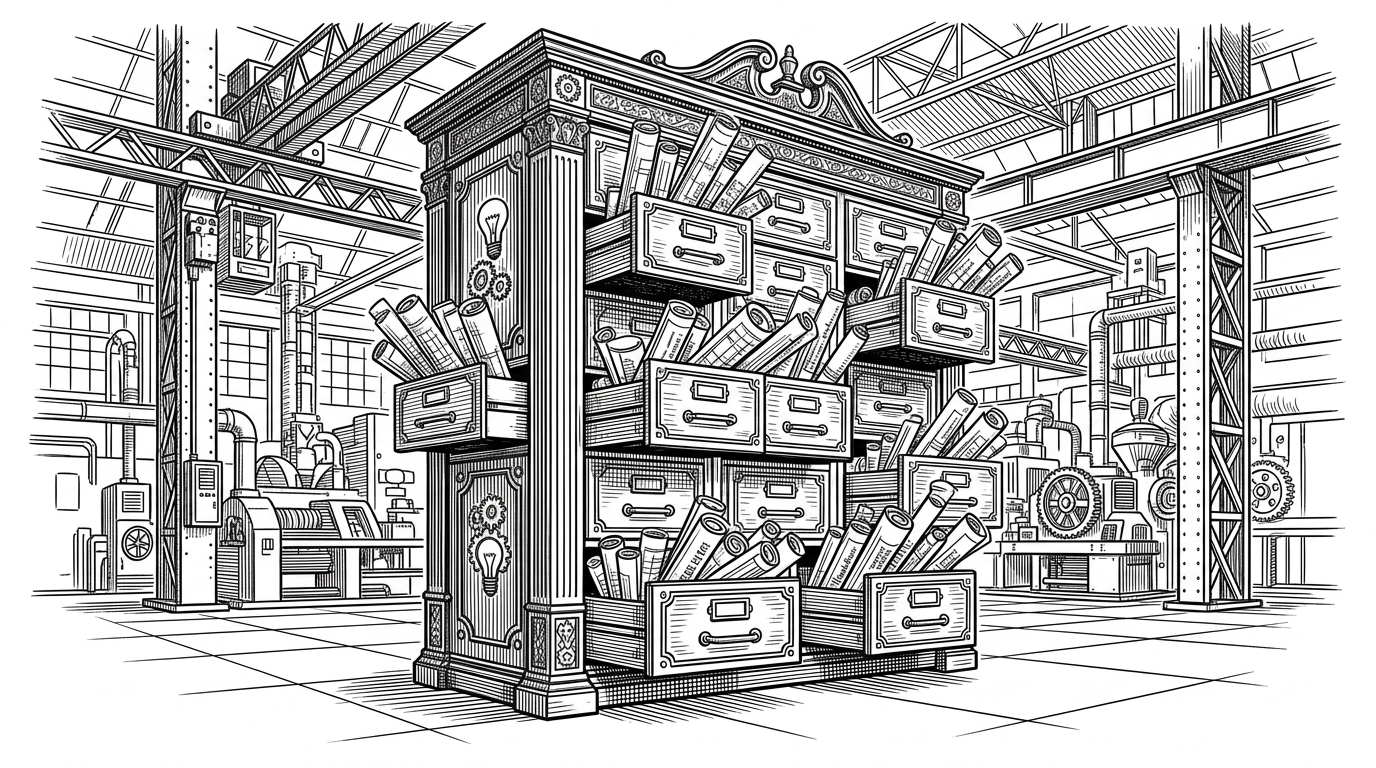
- The dify-user-case repository contains almost no code, functioning instead as a structural meta-repository to gather community knowledge.
- The project transforms GitHub Issues into a lightweight CMS using strict Markdown templates to enforce data schemas.
- By prioritizing web-form submissions over traditional Pull Requests, the system drastically lowers the barrier to entry for crowdsourcing AI workflows.
A Repository With No Code
Most open-source projects are defined by their logic. The dify-user-case repository is defined by its absence. It is a meta-repository. It exists solely to capture and organize the output of the community.
Built by the team behind Dify, this tiny repository solves a critical scaling problem. Having a powerful AI orchestrator is useless if users do not know what to build. The main platform handles the heavy lifting of LLM orchestration, but this repository serves as the recipe book.
The pitch is simple: go from prototype to production without changing tools. Visual workflow builder, RAG pipeline, agent capabilities, model management, and observability—all in one self-hostable package.
The Markdown Meta-Schema
The core engine of the project is a single file: .github/ISSUE_TEMPLATE/user-case.md. This file acts as a rigid data schema for unstructured human knowledge.
name: Share a User Case
description: Share your Dify application with the community
title: "[User Case]: "
labels: ["user-case"]
body:
  - type: textarea
    id: problem
    attributes:
      label: Target Users & Problem Statement
      description: Who is this for and what does it solve?
    validations:
      required: true
  - type: textarea
    id: implementation
    attributes:
      label: Technical Implementation
      description: How was it made in Dify?
    validations:
      required: true
The template forces contributors to provide actionable, structured data. Instead of vague self-promotion, users must define their target audience, application address, and the exact technical steps used to build their pipeline.

Solving the Blank Canvas Problem
Agentic workflows and Retrieval-Augmented Generation pipelines are highly abstract concepts. Developers often stare at a blank canvas, unsure how to map platform capabilities to real business logic.
By crowdsourcing blueprints, the project treats user experience as a technical asset. The community provides the prompt engineering patterns, while the platform handles the execution.
The Pull Request vs. The Form
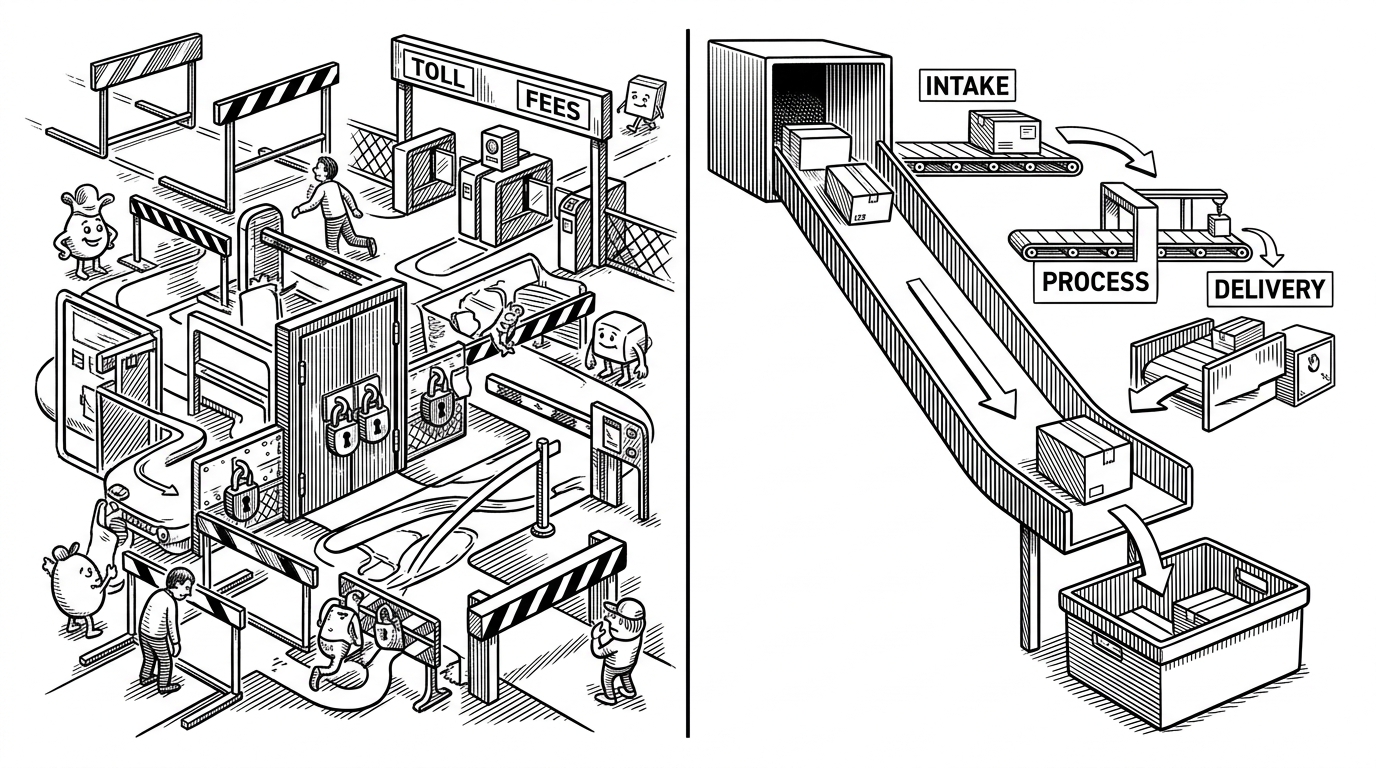
The architectural tradeoff of using GitHub Issues as a Content Management System is fascinating. The maintainers sacrificed git-level version control for the absolute lowest friction possible.
| Feature | Traditional Docs (PRs) | Issue-as-a-CMS |
|---|---|---|
| Barrier to Entry | Fork, Clone, Commit, Push | Web Browser Form |
| Data Structure | Unpredictable Markdown | Enforced Template Schema |
| Review Process | Code-level diff reviews | Labeling and categorizing |
| Primary Use Case | Core library source code | Crowdsourced workflows |
For a community-focused knowledge base, the ease of filling out a form in a browser drastically outweighs the benefits of a programmatic data structure. It is a masterclass in reducing friction to accelerate ecosystem growth.