chain-strike: Chain Strike: The Claude Code Skill That Treats Vulnerabilities Like Building Blocks
Instead of stopping at a single bug, this repo tries to link findings into a stronger attack chain, turning exploit composition into a repeatable workflow.

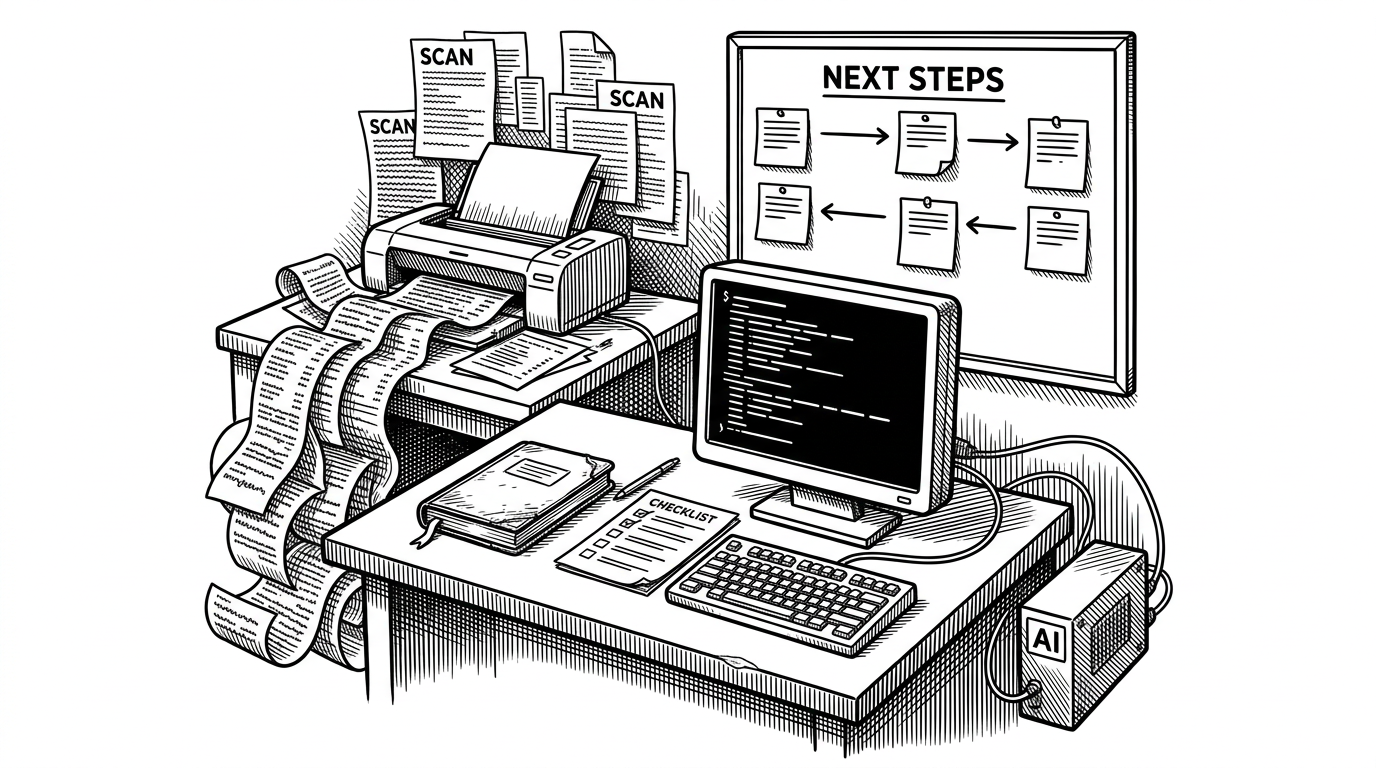
The IntelligentDecisionEngine isn't the AI itself - it's an expert system interface that provides structured cybersecurity knowledge to the actual AI: the LLM.
- Chain Strike's real innovation is exploit composition, not discovery, because it tries to turn isolated findings into a path with higher impact.
- The Connection Matrix pushes the model to reason about relationships like enables, bypasses, and escalates instead of treating bugs as independent items.
- The repo sits between scanner and researcher, using automation for breadth while reserving judgment for the sequence that turns results into a chain.
- Its biggest risk is the same thing that makes it useful, since an overconfident model can invent a chain that sounds plausible but is not grounded in evidence.
The real prize is the chain
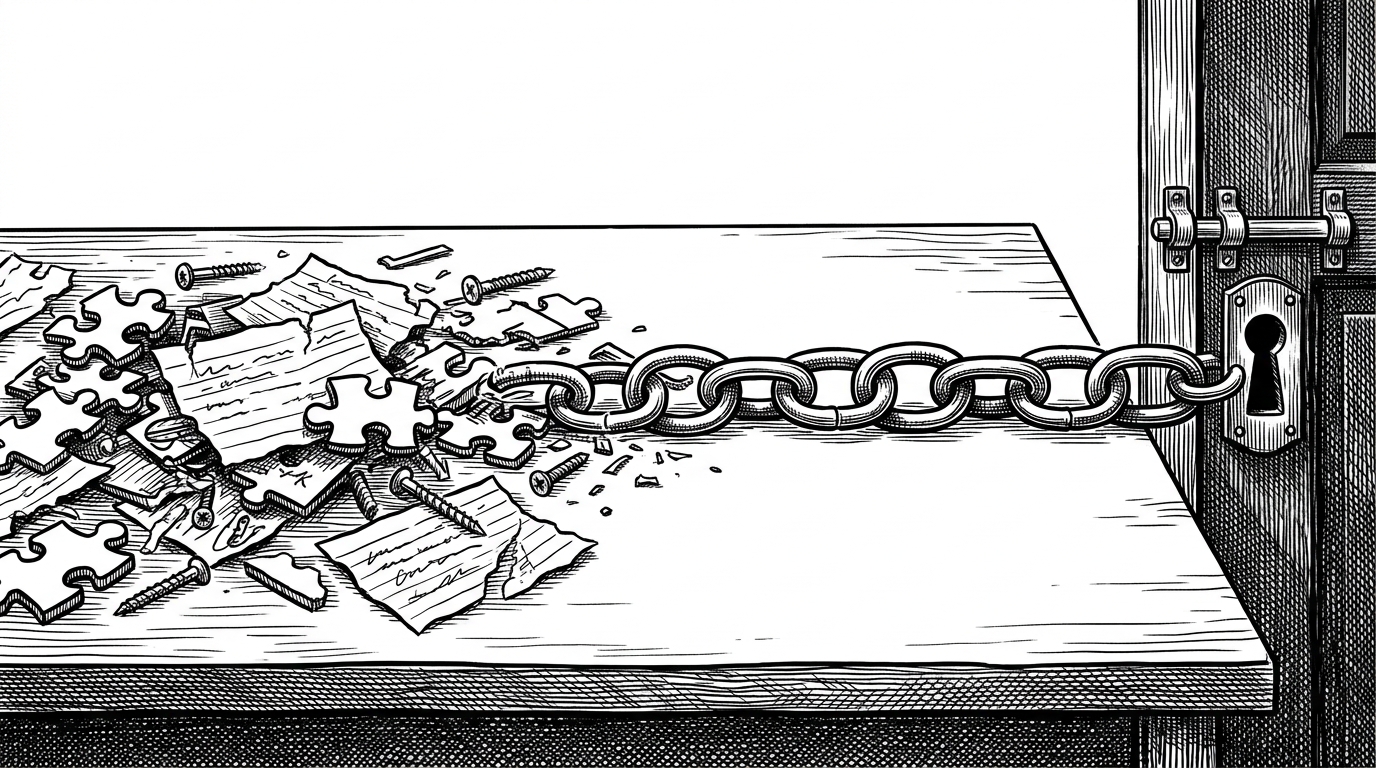
Most security tools are good at producing nouns. Chain Strike is interesting because it tries to produce a sentence. A low or medium issue is only valuable when it changes what becomes possible next, and this repo is built around that idea.
That is why the project feels bigger than a scanner. It tries to formalize the part of offensive security that experienced researchers usually keep in their heads, which findings enable other findings, which ones bypass controls, and which combinations actually move the impact needle.
What Chain Strike actually automates
Chain Strike is a Claude Code skill, not a standalone binary. The repository structure reflects that: discovery and packaging live in plugin metadata, while the real logic sits in a single skill file that tells the agent how to think about a set of findings.
.claude-plugin/
  marketplace.json
plugins/
  chain-strike/
    .claude-plugin/
      plugin.json
    skills/
      attack-chain-builder/
        SKILL.md
That file layout matters. `marketplace.json` makes the skill discoverable, `plugin.json` packages it, and `SKILL.md` carries the workflow. In practice, the repo uses structured prompt design plus sequential thinking to ask a model to reason about relationships, not just labels.
The connection matrix is the core idea
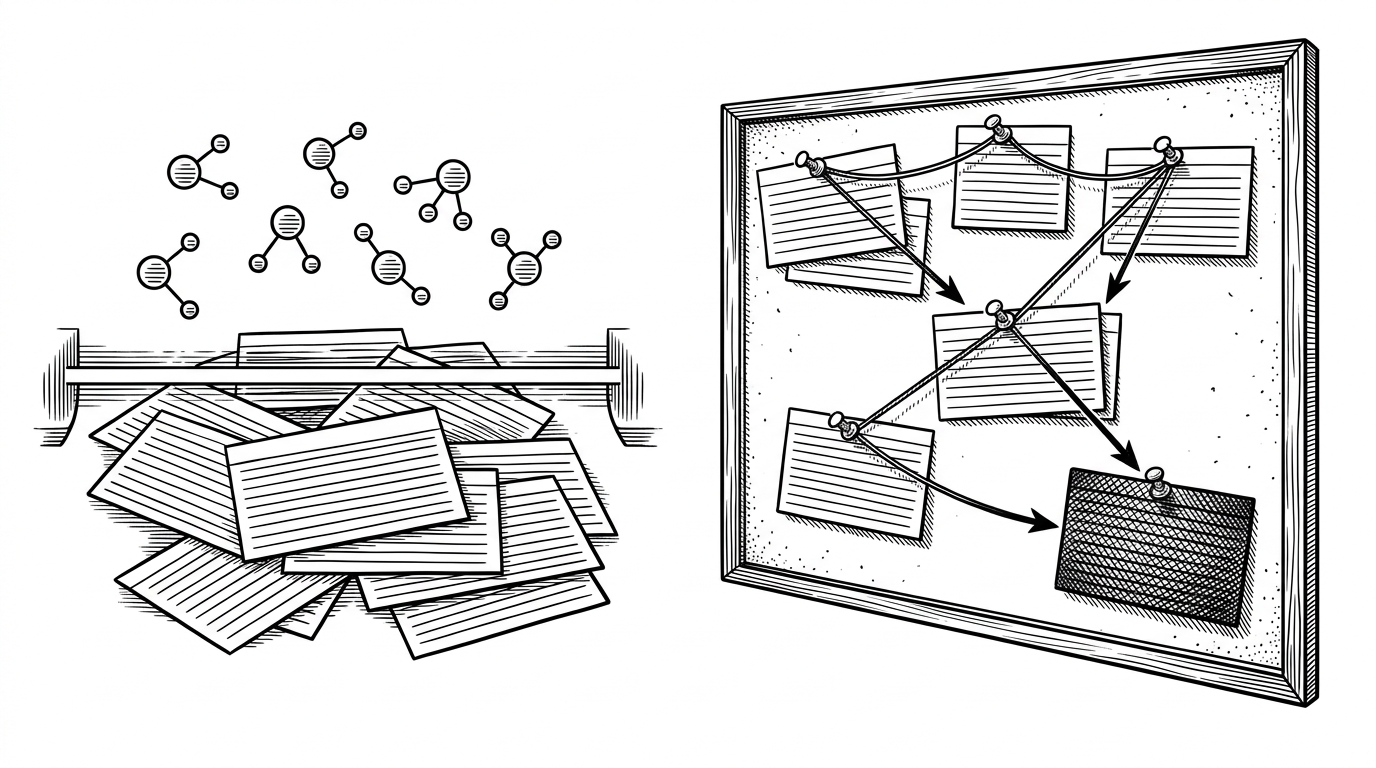
The most revealing part of the design is the pairwise analysis. Instead of treating findings as a flat list, the skill pushes an N-squared pass across them and asks whether one item enables, amplifies, bypasses, chains, or escalates another.
The important shift is the unit of analysis. The repo is not asking, "Is this bug real?" It is asking, "What does this bug become when it touches the rest of the system?" That is the difference between enumeration and composition.
Why this feels different from a scanner
| Mode | Input | Output | Strength | Weakness |
|---|---|---|---|---|
| Traditional scanner | Hosts, ports, signatures, and known checks | A list of findings | Fast and broad | Usually stops at isolated alerts |
| Manual human chaining | Mixed findings plus researcher intuition | A candidate attack path | Rich judgment and context | Slow, inconsistent, and hard to scale |
| Chain Strike style orchestration | Findings plus relationship patterns | A scored chain proposal | Systematizes composition inside Claude Code | Depends on grounded evidence and good prompts |
Where the idea comes from
That distinction is the heart of the project. The rules are there to shape the search space, but the actual reasoning lives in the model that can connect those rules to a specific target and a specific chain. Read that way, Chain Strike sits in the same broader lane as XBOW-style offensive automation, but as an open-source skill inside a researcher's normal workflow.
The repo also reflects a bigger shift in security tooling. Instead of bolting intelligence onto a scanner after the fact, it bakes the decision layer into the workflow from the start, which makes the orchestration itself the product.
The limits matter too
The anti-patterns section is the part to trust. Forced chains are a trap, theoretical chains are worse, and a plausible story is not the same thing as a verified path. If the evidence is thin, a model can overconnect the dots and make the result look cleaner than reality.
That is not a reason to dismiss the project. It is the reason to take it seriously. The harder the system tries to compose findings, the more it needs guardrails that keep it anchored to real attack primitives and defensible scoring.
The bigger pattern
Chain Strike points to a simple but important future: AI will matter less as a bug finder than as a bug assembler. The valuable leap is not identifying one weakness faster, but connecting several weak signals into one coherent path.
That makes the unit of value clearer. Security work is moving from lists to sequences, from alerts to paths, and from isolated findings to composed outcomes. Chain Strike is a small open-source version of that idea, and that is why it is worth paying attention to.