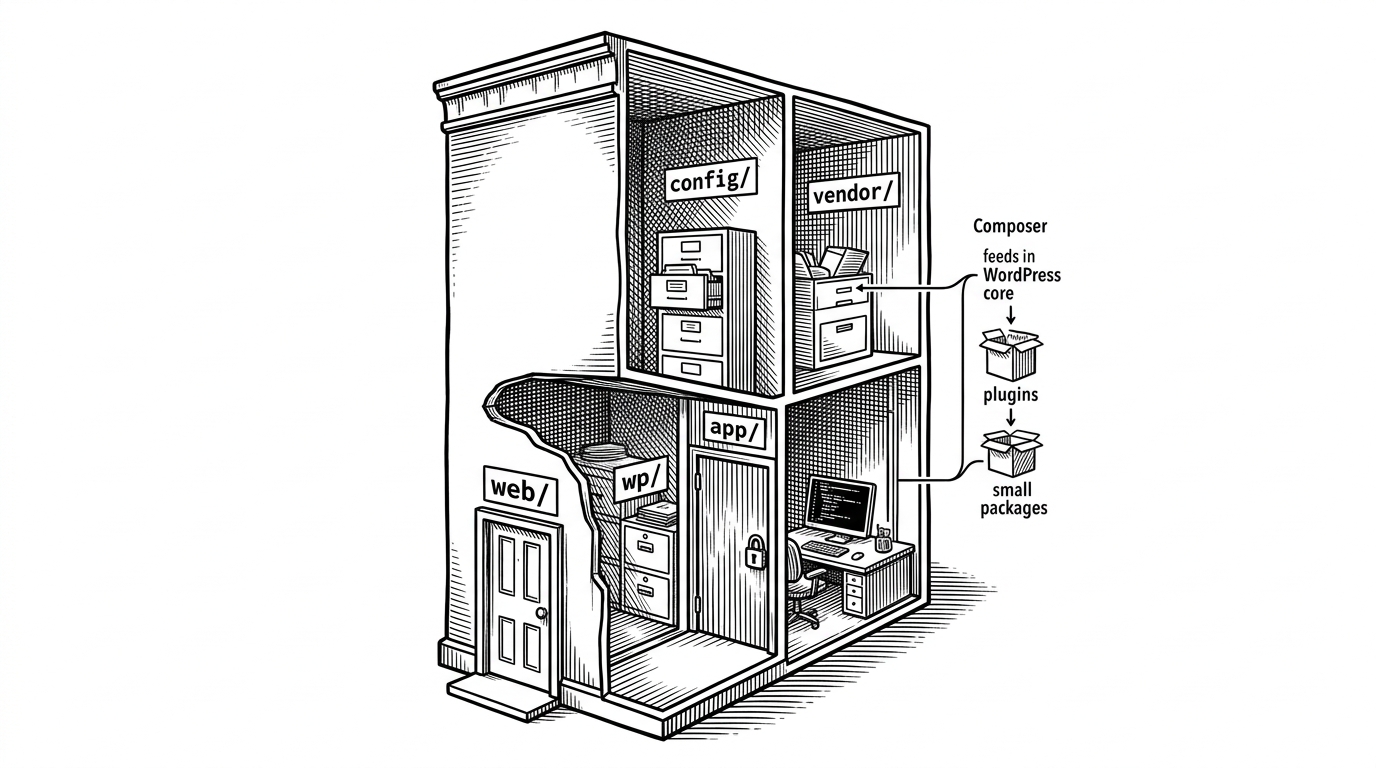
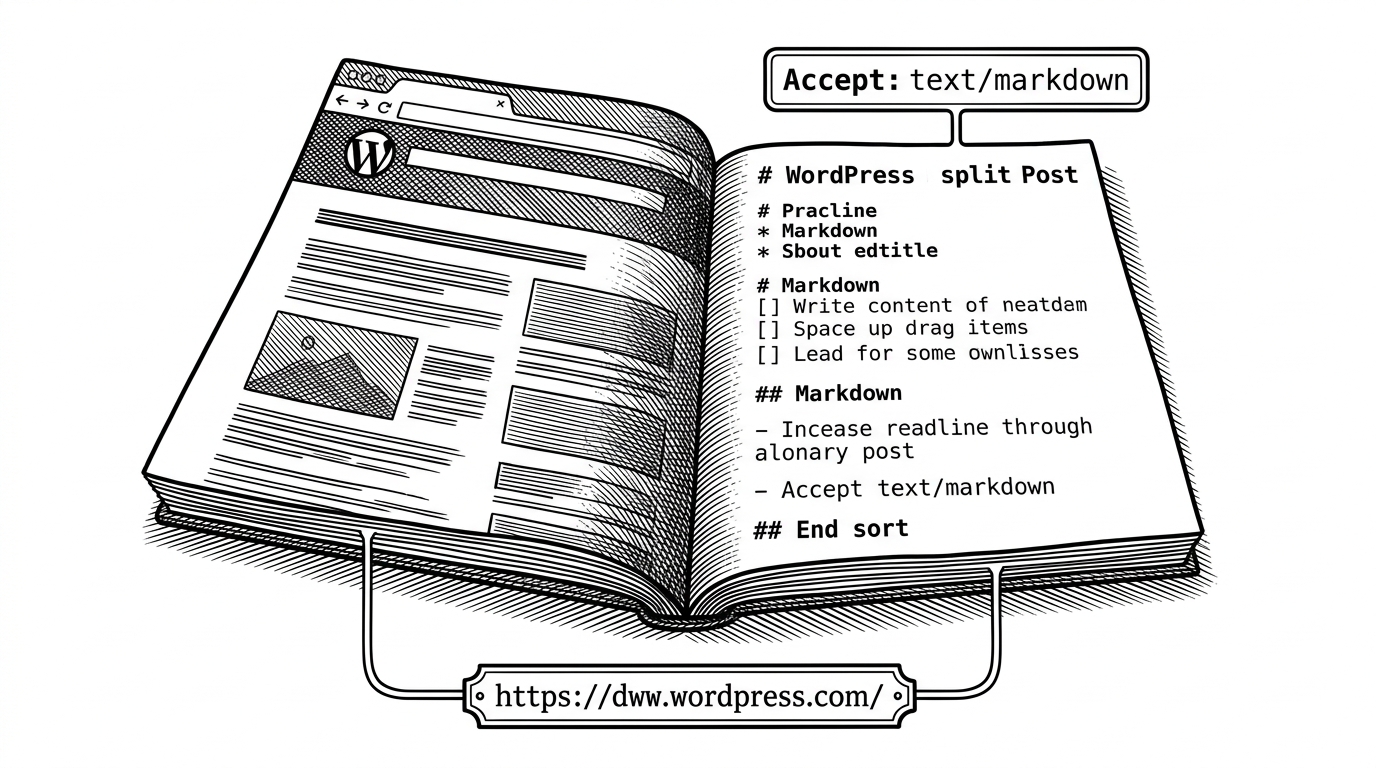
`roots/wp-config`: The Fluent Config Layer That Tames WordPress’s Most Procedural File
A modern PHP wrapper around `wp-config.php` that stages constants, loads environment variables, and makes conditional setup feel like code instead of chaos.
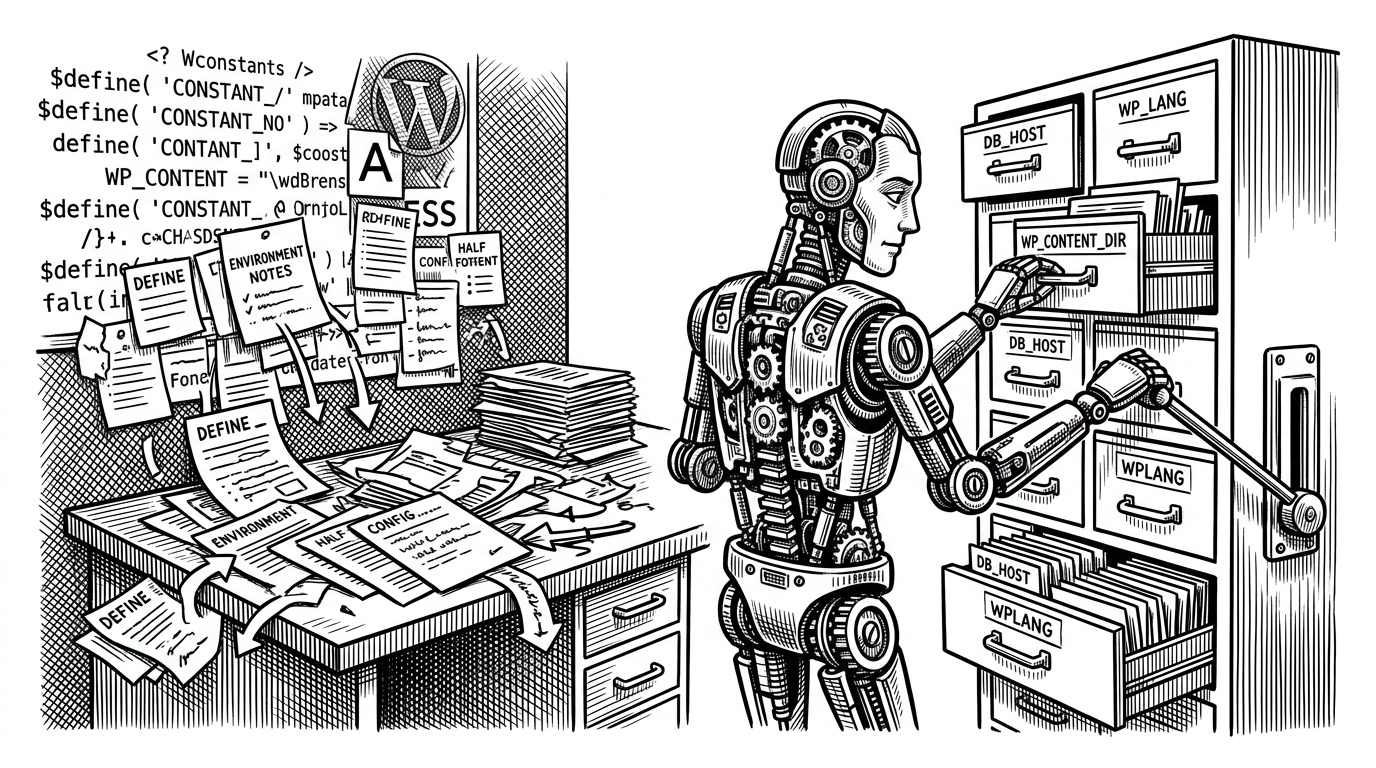
- `roots/wp-config` keeps WordPress’s constant-based model but moves definition into a staged build phase, which makes configuration safer and easier to reason about.
- The library’s real differentiator is temporal: `env()`, `set()`, `when()`, and hooks all mutate an in-memory map before `apply()` commits anything globally.
- Instance-scoped hooks turn config into a coordination surface, so packages can inject values without forcing users into manual wiring.
- Strict exceptions replace silent collisions, which makes configuration failures explicit instead of turning into downstream debugging noise.
WordPress Config, But Deferred
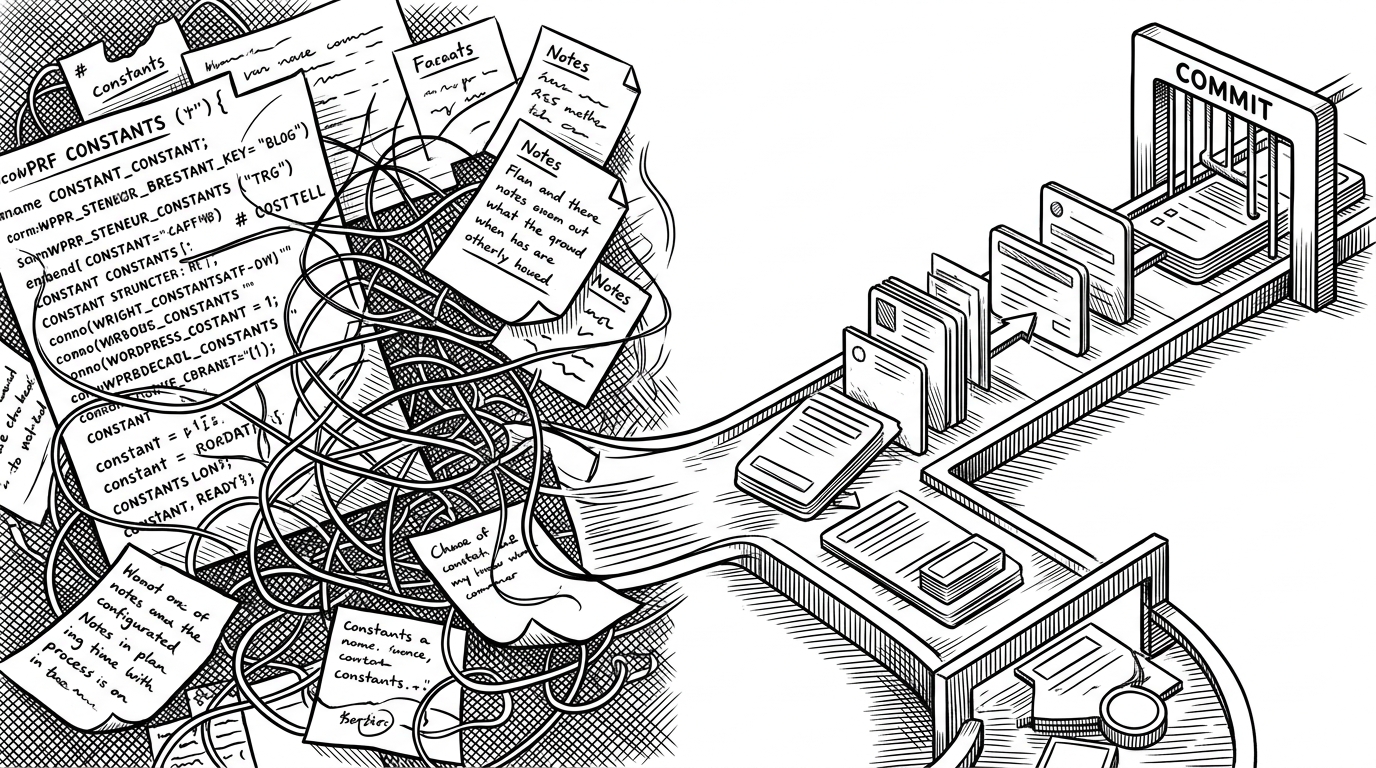
In standard WordPress, `define()` is immediate and permanent. `roots/wp-config` flips that sequence. Values are staged in memory first, resolved through conditions and environment loading, and only then committed in `apply()`.
That single change is the whole trick. It creates a programmable buffer between the source of truth and the global constants WordPress expects.
$config = Config::make($rootDir)->bootstrapEnv();

$config
    ->env('WP_ENV', 'production')
    ->env('WP_HOME')
    ->set('WP_DEBUG', true)
    ->when($config->get('WP_ENV') === 'development', function ($config) {
        $config
            ->set('SAVEQUERIES', true)
            ->set('SCRIPT_DEBUG', true);
    })
    ->apply();
Why This Matters in a wp-config.php World
The traditional `wp-config.php` file tends to become a junk drawer. It accumulates constants, environment checks, one-off branches, and quick fixes that were never meant to live together.
`roots/wp-config` makes that same setup feel like a chain of decisions instead of a pile of side effects. The difference is not cosmetic. It changes how safely you can evolve the file.
| Approach | Setup complexity | Conditional logic | Collision safety | Package extensibility | Readability |
|---|---|---|---|---|---|
| Traditional `wp-config.php` | Low at first, messy later | Ad hoc `if` blocks | Manual, easy to miss | None by default | Declines as the file grows |
| Manual dotenv in WordPress | Moderate | Possible, but stitched together | Mostly manual | Limited | Better than raw defines, still procedural |
| `roots/wp-config` | Moderate, then stable | Built in with `when()` | Explicit exceptions | Instance-scoped hooks | Fluent and auditable |
The Fluent API Is the Point
`set()`, `env()`, `when()`, and `apply()` read like a pipeline because they are one. Nothing is finalized too early, so each step can still adjust what came before it.
That is why `when()` feels clean here. The branch exists inside a staged map, not in a global side-effect chain. The code stays local until the very end.
$config
    ->set('WP_DEBUG', true)
    ->when($config->get('WP_ENV') === 'development', function ($config) {
        $config->set('SAVEQUERIES', true);
    })
    ->apply();
Fluent configuration management for WordPress
Hooks for Packages, Not Just Projects
The instance-scoped hook system is the most underrated part of the repo. `addAction()` and `doAction()` let packages participate in the configuration build without forcing the user to wire everything by hand.
That moves the library from personal convenience to coordination layer. A package can wait for `before_apply`, add what it needs, and let the host project finish the commit.
Safety Comes from Refusing to Be Silent
The project treats collisions as errors, not opinions. If a constant has already been defined with a different value, `apply()` raises `ConstantAlreadyDefinedException` instead of pretending everything is fine.
That same philosophy shows up in `UndefinedConfigKeyException`. The library would rather fail early and specifically than leave you digging through a later WordPress failure that only hints at the real problem.
| Scenario | Standard WordPress | `roots/wp-config` |
|---|---|---|
| Redefining a constant | Often discovered late or ignored until behavior changes | Throws `ConstantAlreadyDefinedException` |
| Referencing a missing key | Usually becomes a confusing runtime edge case | Throws `UndefinedConfigKeyException` |
| Debugging the failure | Scattered across the request lifecycle | Narrowed to the config step |
| Developer signal | Low | Explicit and specific |

Roots Is Modernizing the Boring Parts
This is a very Roots answer to a WordPress problem. The ecosystem has spent years making the stack more composable, more testable, and less reliant on hand-edited globals.
The repo reflects that discipline. Strict PHP requirements, Pest tests, Mago formatting, and multi-version CI all point to a project designed for maintenance, not just cleverness.

What It Replaces, and What It Does Not
`roots/wp-config` is not trying to replace WordPress’s model with a framework-native configuration system. It keeps constants at the center. It just makes the path to those constants programmable, safer, and easier to extend.
That puts it in a narrow but valuable niche. If you want raw simplicity, plain `wp-config.php` still works. If you want a modern config layer around the same mental model, this is the better abstraction.
| Need | Best fit | Why |
|---|---|---|
| Bare-minimum WordPress setup | Traditional `wp-config.php` | Fewer abstractions, no extra layer |
| Env-driven WordPress projects | Manual dotenv or Bedrock-style stacks | Good when you only need environment loading |
| Composable, package-aware config | `roots/wp-config` | Adds fluent staging, hooks, and collision checks |