Memos: The Architecture of Instant Capture
How a single Go binary turned the high-friction "knowledge base" into a private, high-velocity stream of consciousness.
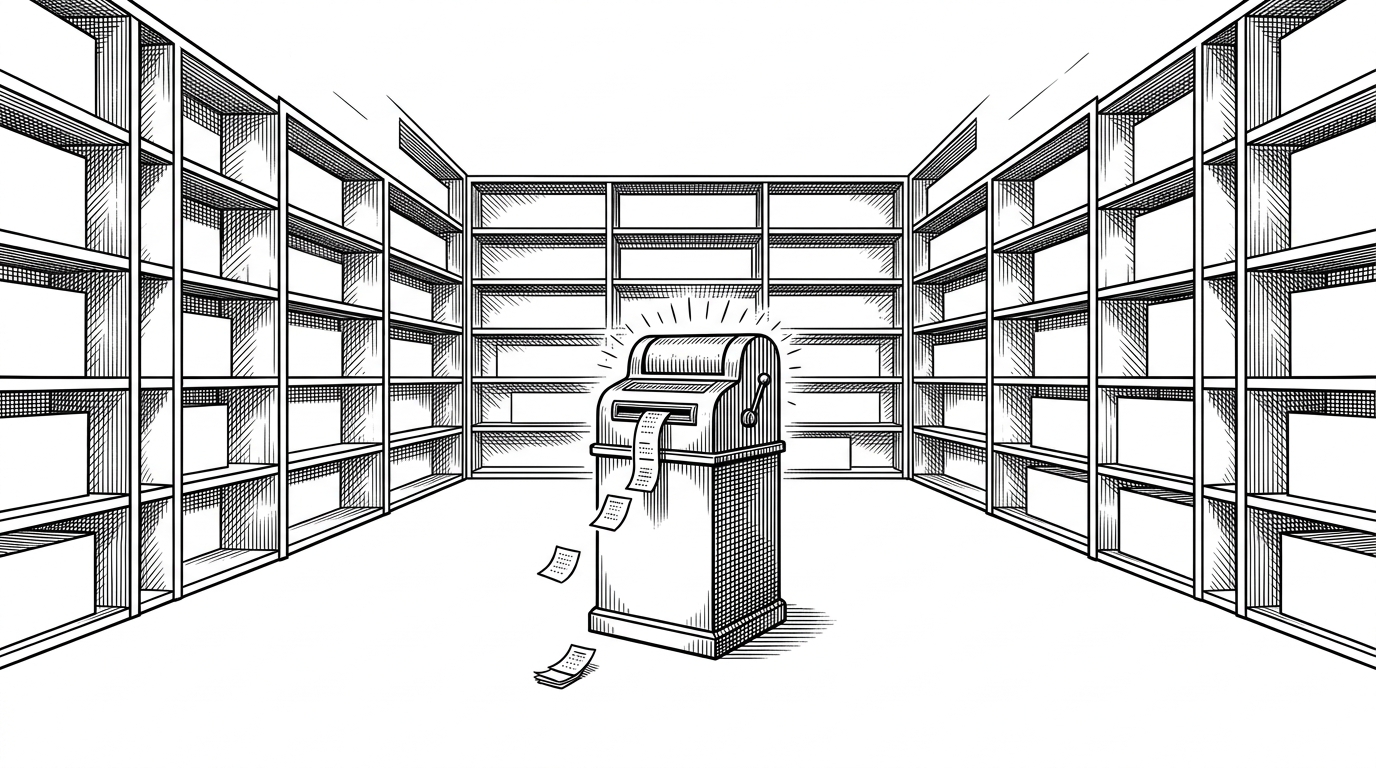
- Memos uses a social media-inspired timeline to eliminate the cognitive friction of naming and filing notes.
- The application delivers a full-stack experience within a single 20MB Docker image powered by a highly optimized SQLite backend.
- A custom markdown parser extracts tags and links into an AST to enable fast database queries without re-parsing text.
- The architecture prioritizes a chronological stream of consciousness over the traditional categorical folder structure.
The End of the Blank Page
The "productivity porn" era of complex Zettelkasten systems and infinite nested folders eventually hits a wall of friction. When every passing thought requires you to name a file, choose a directory, and link it to an index, the brain simply stops recording. Memos is a technical rebellion against this Blank Page Syndrome.
By re-skinning the personal knowledge base as a private social media feed, it tricks the brain into capturing data it would otherwise lose to the void. The timeline UI removes the need to decide where a note belongs before writing it. You simply type, tag, and send. It is the architecture of instant capture, turning the act of self-documentation into a low-stakes habit.
A Monolith in a Microservice World
Behind this psychological trick is a highly optimized engine. Memos packages a Go backend and a React frontend into a single, lightweight Docker image that weighs in around 20MB. It handles authentication, data storage, and static file serving without requiring external dependencies.
The application relies entirely on an embedded SQLite database configured for production. By appending specific PRAGMA statements during initialization, such as Write-Ahead Logging (WAL) and strict memory mapping sizes, the Go application ensures high concurrency without the dreaded "database is locked" errors common in basic SQLite setups.
Parsing the Stream
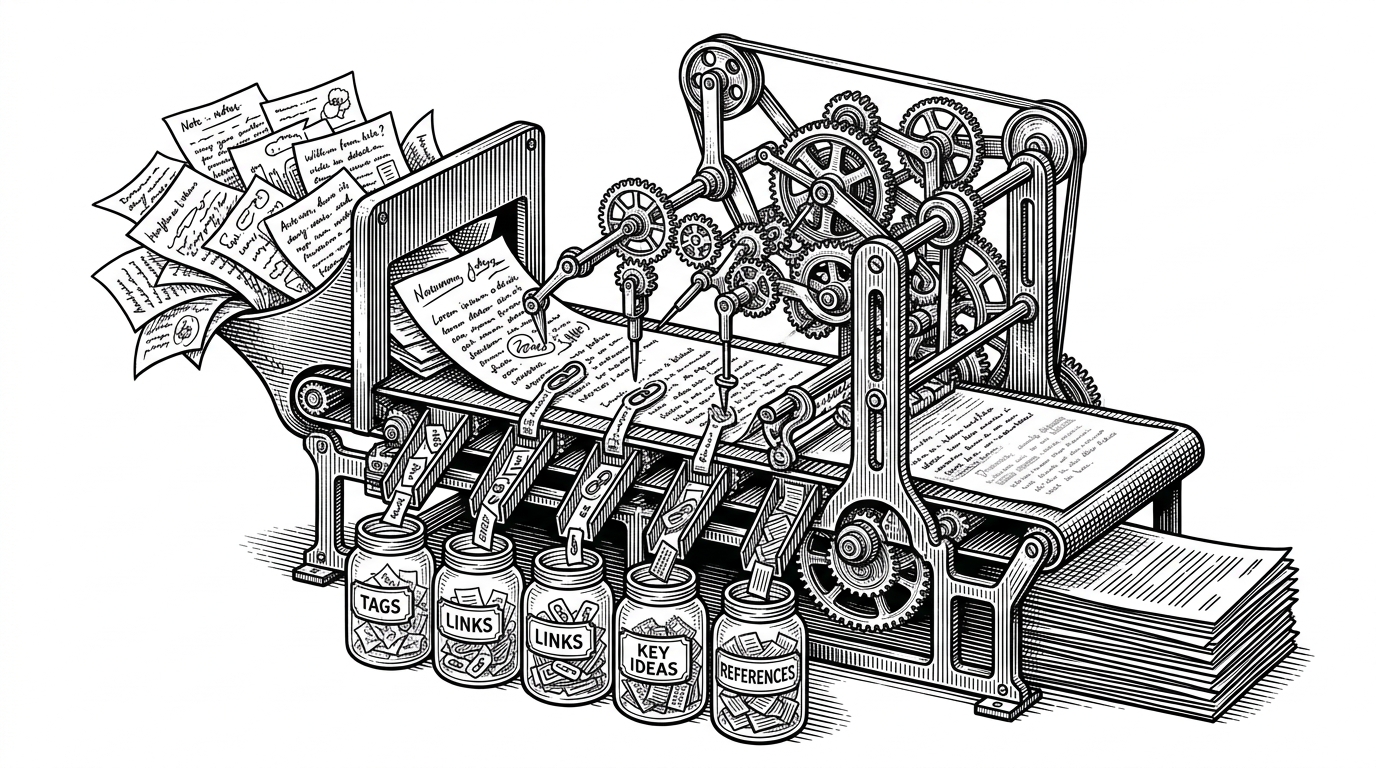
The secret to making a flat list of text feel like a structured database lies in the plugin/markdown directory. Instead of relying on fragile regular expressions to find tags or links, Memos uses a custom Abstract Syntax Tree (AST) parser built on the goldmark library.
When a memo is saved, the backend parses the markdown to extract properties like task lists, specific tags, and bidirectional links. This metadata is stored directly in the database payload. The UI can then instantly filter complex queries (like showing only memos with incomplete tasks) using simple SQL lookups rather than re-parsing text on the fly.
Stream vs. Vault: A New Hierarchy
Traditional note-taking applications operate on a "Vault" philosophy. They prioritize long-form documents organized by category. Memos operates on a "Stream" philosophy, prioritizing ephemeral thoughts organized by time.
| Feature | Memos (The Stream) | Obsidian / Joplin (The Vault) |
|---|---|---|
| Primary Index | Chronological (Time) | Categorical (Folders/Links) |
| Friction Level | Instant capture, no title required | Requires naming and placement |
| Best For | Ephemeral thoughts, daily logs | Long-form writing, deep research |
| Storage | Single SQLite Database | Local File System |

The Sovereign Data Store
Despite its minimalist interface, Memos provides enterprise-grade flexibility for self-hosters. The architecture includes modular plugins for integrating S3-compatible blob storage and OpenID Connect (OIDC) identity providers. This ensures total data sovereignty without sacrificing modern conveniences.
By focusing on a niche workflow and executing it with high-performance primitives, the project has cultivated a massive following of developers who want to own their data without managing complex infrastructure.
"Over the past two years, Memos is more than just a note-taking service; it's an entire ecosystem designed to meet the evolving needs of its users."
Sources: Codebase analysis of usememos/memos, official project documentation, and community release notes.