PantheraDigital/Modular-Character-Controller-for-Godot Turns Input Into Requests, Not Scripts
A modular Godot framework that routes intent through swappable action nodes, so one controller can drive humans, NPCs, vehicles, and anything else with a consistent behavior API.
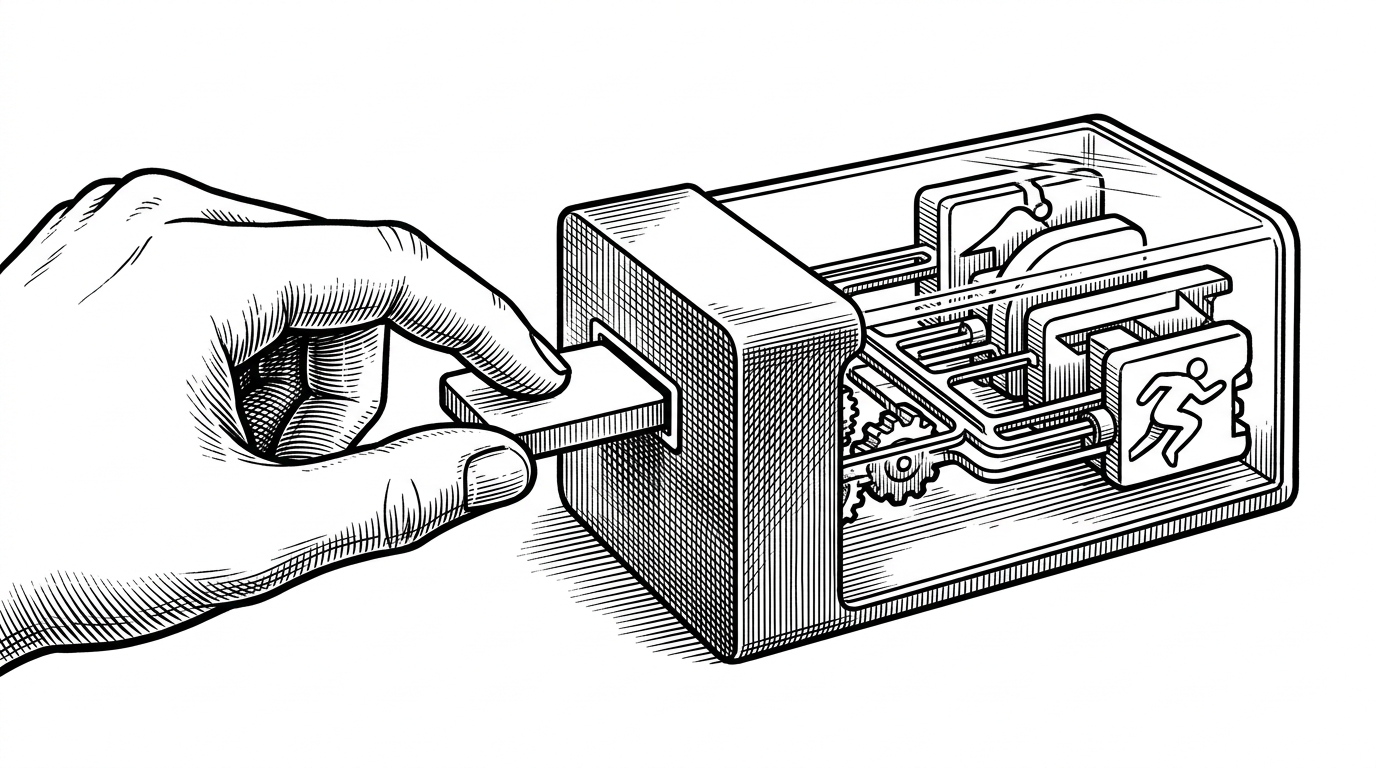
- MCC treats character control like internal request routing, which lets input stay stable while behavior changes underneath it.
- The action lifecycle makes each behavior explicit, so jumping, crouching, and mode changes can be swapped without collapsing into one giant player script.
- Runtime remapping is the real unlock, because ground, air, stun, and AI states can all rewrite the same request names to different nodes.
- The debug UI is not an accessory here, it is part of the architecture that makes the abstraction usable and trustworthy.
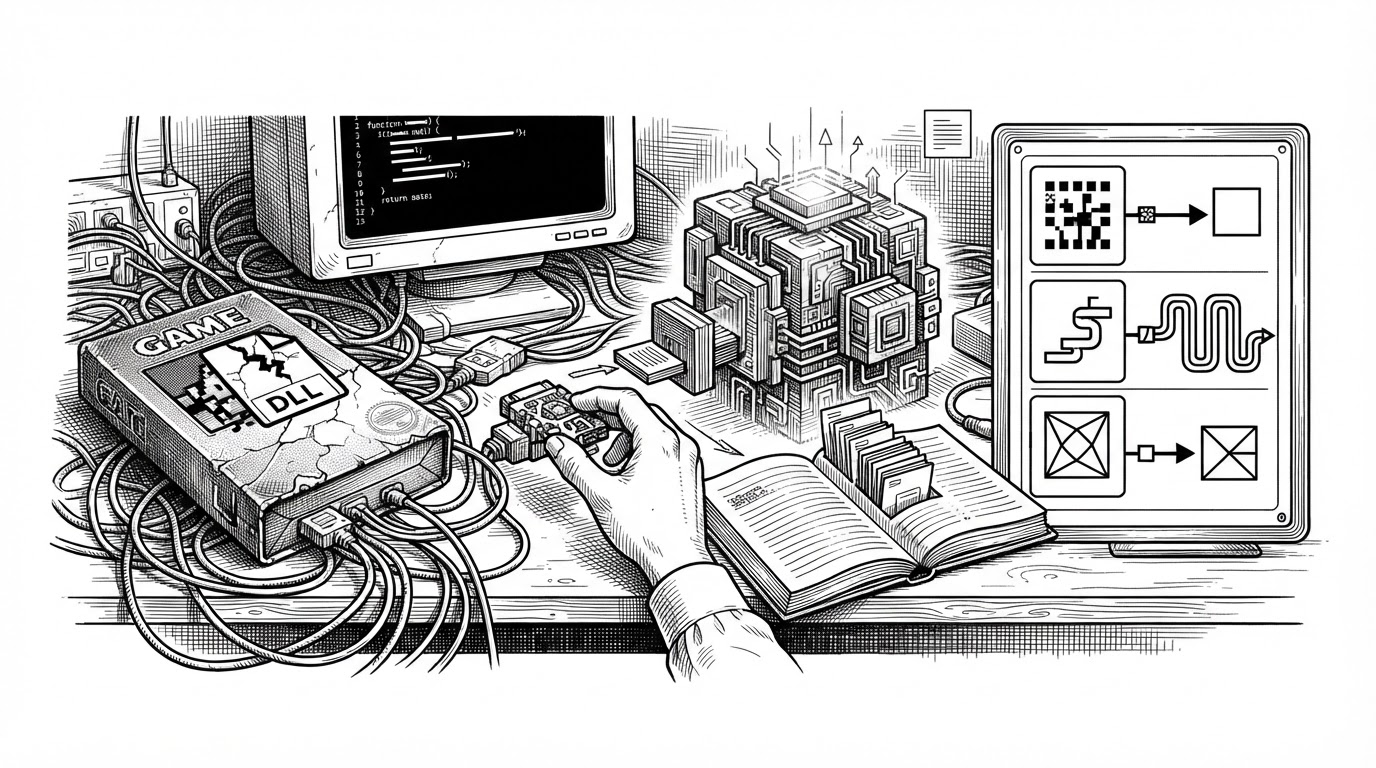
Most character controllers grow by accretion. Input lands in one file, physics checks pile on, animation logic slips in next, and soon the player script is doing everything except filing taxes. PantheraDigital/Modular-Character-Controller-for-Godot takes a different route: input becomes a request, and the request gets resolved by whichever action node currently owns that behavior.
The Character Has an API, Not a Script
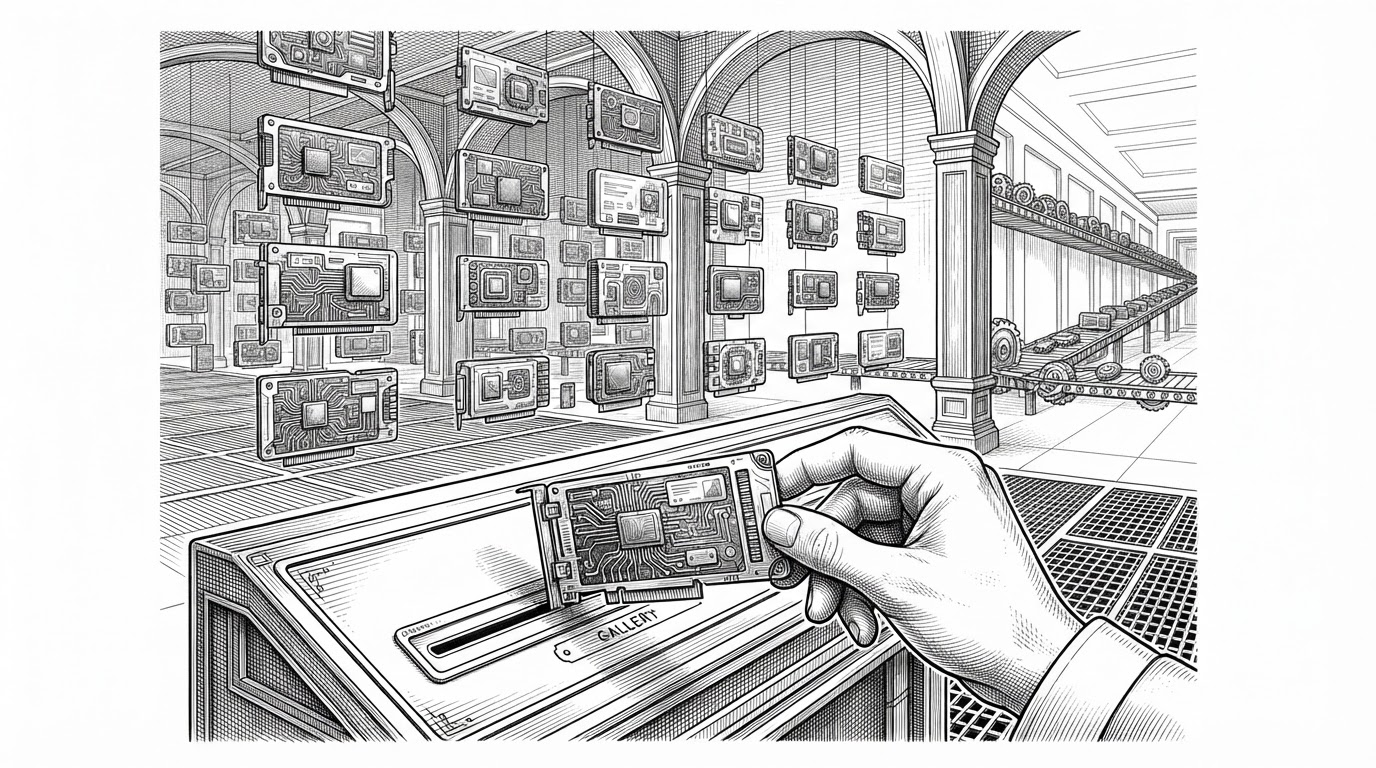
That is the cleanest way to understand MCC. The controller does not directly command a body to jump or move. It sends a request to an internal action player, which looks up the current mapping and hands the job to the right action node.
The result feels less like a player script and more like a small API server sitting inside the character. The caller asks for jump. The character decides whether jump means leap, double jump, crouch, or nothing at all.
Why This Beats the 1,000-Line Player Script
The usual Godot controller starts simple and then becomes a landfill. Movement, state checks, action cooldowns, animation, interaction, and special cases all compete for the same surface area. MCC breaks that apart into action nodes with a lifecycle, which means each behavior can be reasoned about on its own terms.
| Approach | How input is handled | Where behavior lives | Runtime remapping | Debuggability | Best fit |
|---|---|---|---|---|---|
| Traditional monolithic player script | Input calls movement and state logic directly | One large character script | Hard, because behavior is hard-coded | Usually weak once the script grows | Small prototypes and jam projects |
| MCC request/action architecture | Input becomes a request that is resolved by ActionPlayer | Separate ActionNode files with explicit lifecycle hooks | Built in, through request and map remapping | Strong, because the active path is visible | Editor-driven games that need reusable behaviors |
It's been a long while since I've written a direct-driven player controller, so I thought I would spend some time making one with what I've learnt since then. Made adjustments for GDScript since I'm always in Unity C# + tried some new concepts. #godot #gamedev #indiedev https:/
That quote does not describe MCC directly, but it captures the same design instinct: revisit the controller, strip out assumptions, and make the system more explicit. MCC takes that instinct further by turning the controller into a routing layer instead of a pile of direct calls.
Inside the Action Lifecycle
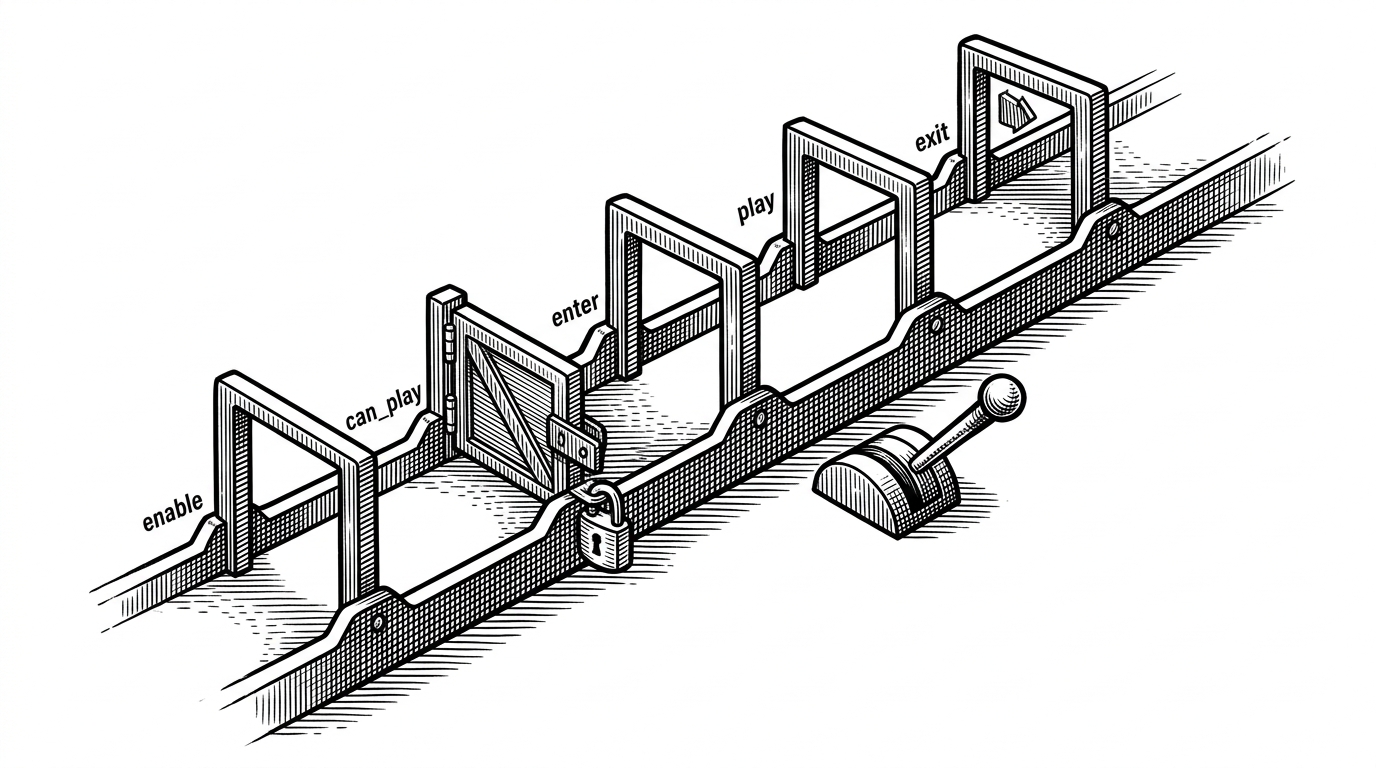
The base unit here is ActionNode. Its lifecycle is the real discipline in the framework: _on_enable, _can_play, _on_enter, _on_play, and _on_exit. That sequence keeps the abstraction flexible without making it vague.
This is where MCC stops being just a naming convention. A jump action can reject itself if the body is not on the floor. A toggle action can remain active until told to stop. A one-shot action can exit immediately after its work is done. The base class provides the rails, but each node still owns its own rules.
func play(request: StringName) -> void:
	var node_path := action_map.get(request, NodePath())
	if node_path == NodePath():
		return
	var action := get_node_or_null(node_path)
	if action and action._can_play():
		action._on_enter()
		action._on_play()
		action._on_exit()
Request, Remap, Repeat
The other key piece is ActionMapRemapper. It lets the meaning of a request change with state. Ground, air, stunned, and similar modes can swap mappings without forcing the controller to know anything about the transition.
That matters because it keeps the caller stable. The controller still says jump. The character decides whether jump points to a normal jump, a double jump, or a blocked action. You get state-dependent behavior without state-dependent calling code.
| State | What the caller says | What the map can do | Why it matters |
|---|---|---|---|
| Ground | jump | Route to a normal jump action | The controller stays unchanged |
| Air | jump | Route to double_jump or disable it | The same intent can mean a different move |
| Stunned | move | Block or reroute movement requests | Status effects are handled at the mapping layer |
The Debugger Is Part of the Design
A lot of frameworks are elegant until you try to see them move. MCC ships with a debug UI and logger because the abstraction only works if developers can inspect it. That is why the small details matter, like a brief label buffer so one-shot actions stay visible long enough to read.
That is a maturity signal. The author is not only designing a modular controller. They are designing for the moment when the controller misbehaves and someone has to understand why.
What Godot 4 Makes Possible Here
This architecture leans on Godot 4 features that make the pattern cleaner. Typed dictionaries help keep the request map honest. StringName keeps request keys lightweight and consistent. Node-based composition makes the whole system visible in the editor instead of buried in data files.
var action_map: Dictionary[StringName, NodePath]
var request: StringName = &"jump"

func set_request(from_request: StringName, to_request: StringName) -> void:
	action_map[from_request] = get_action_path(to_request)
The tradeoff is real. Nodes are heavier than pure objects or resources. But in exchange, you get inspector-friendly wiring, clearer dependencies, and a system that more designers and generalist developers can reason about without cracking open a custom runtime.
Where This Fits in the Control-Framework Landscape
Compared with monolithic scripts, MCC is more indirection and more files. Compared with pure object or resource-driven state machines, it is more editor-native and easier to inspect in Godot. The point is not that one approach wins everywhere. It is that MCC is a strong fit when runtime behavior swapping and visual debuggability are first-class requirements.
| Alternative | Strength | Weakness | How MCC differs |
|---|---|---|---|
| Monolithic controller | Fast to start | Hard to scale | Splits actions into swappable nodes |
| Resource-driven FSM | Data-heavy and compact | Less editor-visible behavior | Keeps logic in nodes with inspector wiring |
| Pure object FSM | Lightweight and testable | Less Godot-native | Uses engine composition instead of external plumbing |
So the real payoff is not just modularity. It is that the controller becomes a stable front door, while behavior remains free to evolve behind it. That is a better deal than stuffing every rule into a single script and hoping it stays readable.