
Google Research
Explained projects
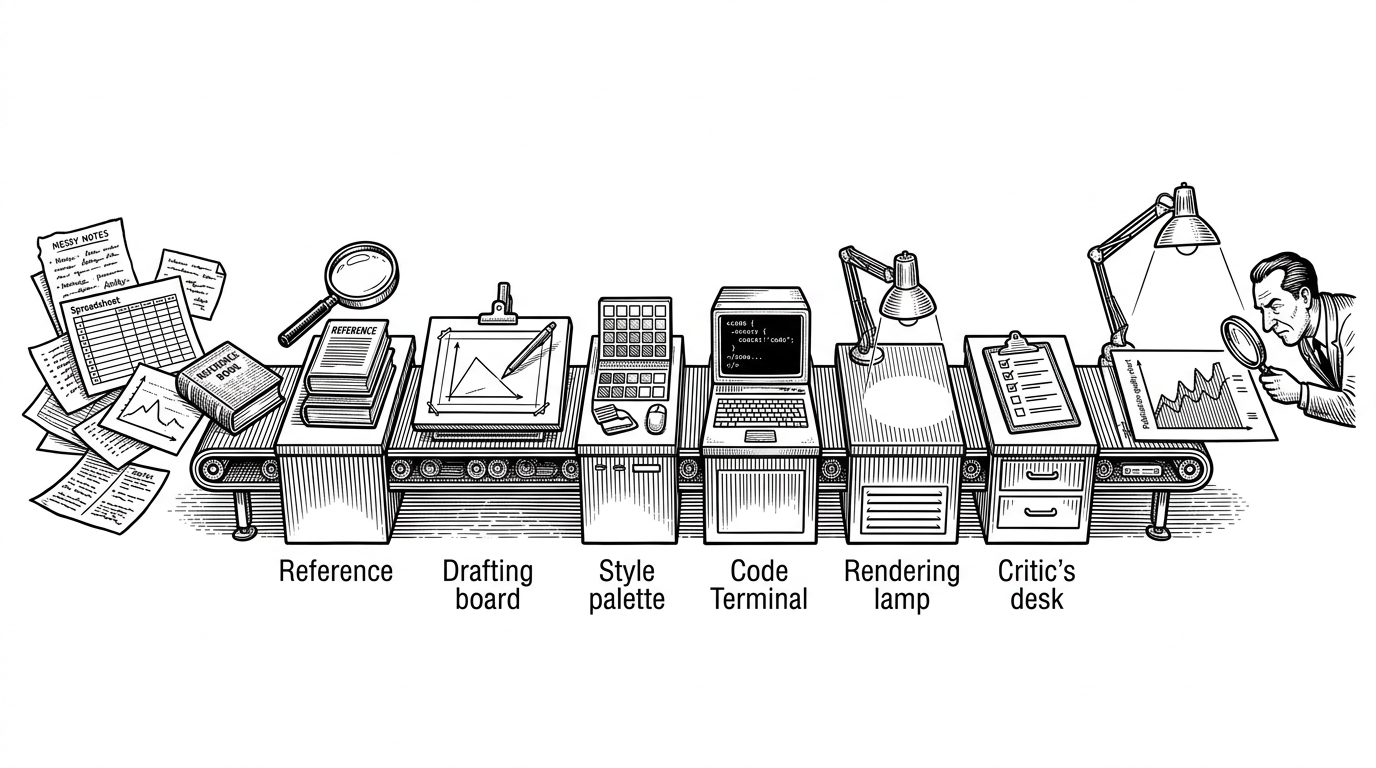
agentic-visualization: PaperVizAgent: The Multi-Agent Studio That Tries to Make AI Draw Like a Researcher
Google Research breaks scientific visualization into retrieval, planning, styling, generation, and critique, then loops back until the chart earns publication-grade confidence.
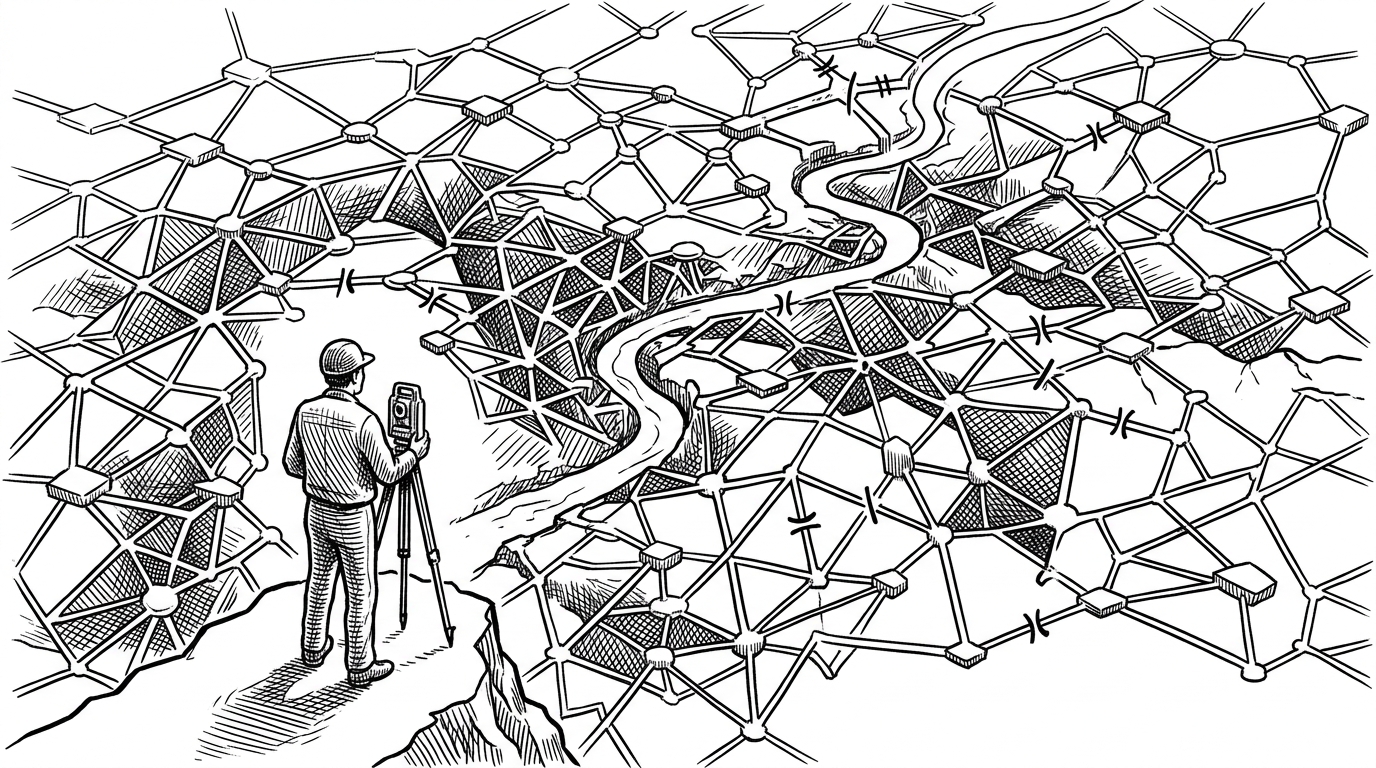
TNCO: The Tensor Optimizer That Makes Impossible Problems Fit
A hybrid Python and C++ engine that searches contraction trees, uses simulated annealing, and slices giant tensor networks into exact pieces when memory is the wall.

ZAPBench: Forecasting a Zebrafish Brain Like a Time Series
Google Research’s benchmark turns whole-brain calcium recordings, stimulus streams, and neuron position into a testbed for neural prediction.
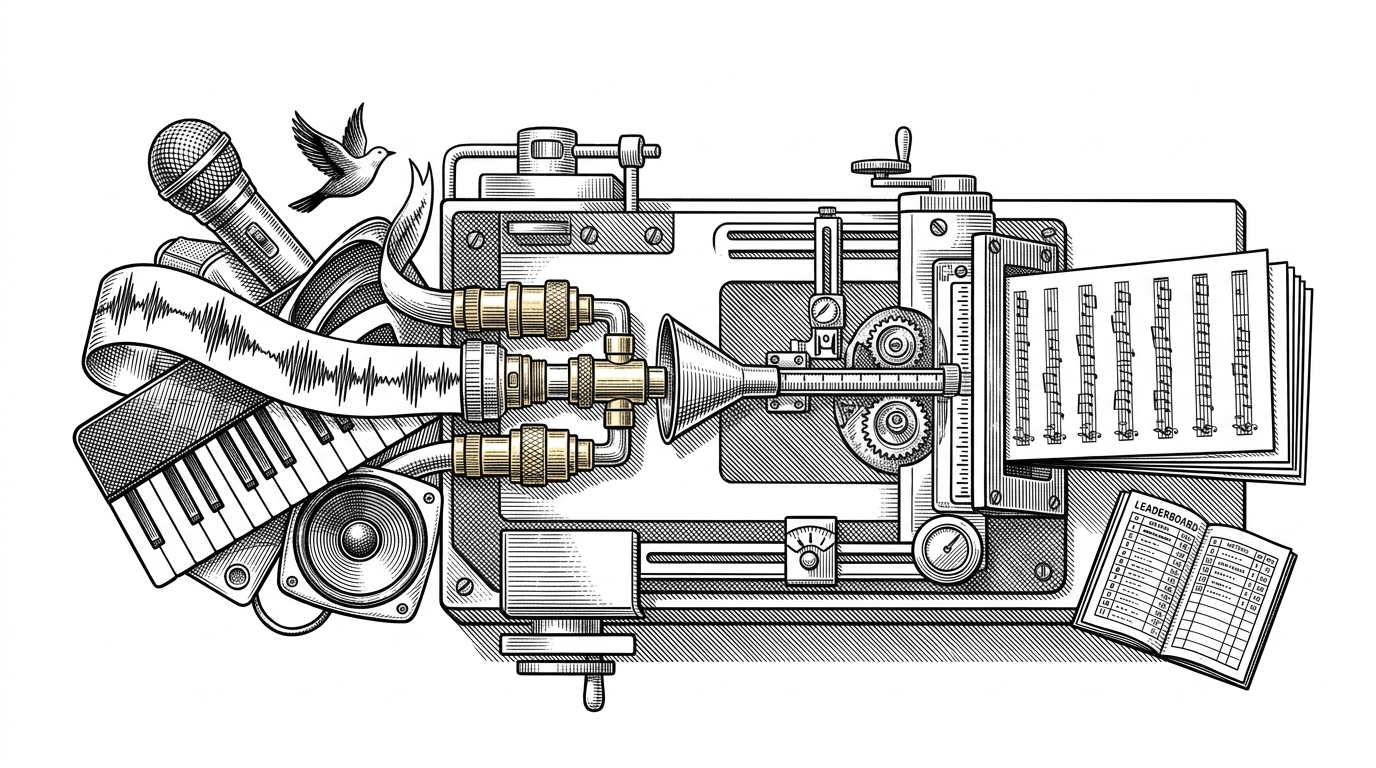
mseb: Audio finally gets its benchmark
MSEB turns a fractured field of sound embeddings into one contract for datasets, encoders, metrics, and leaderboards.
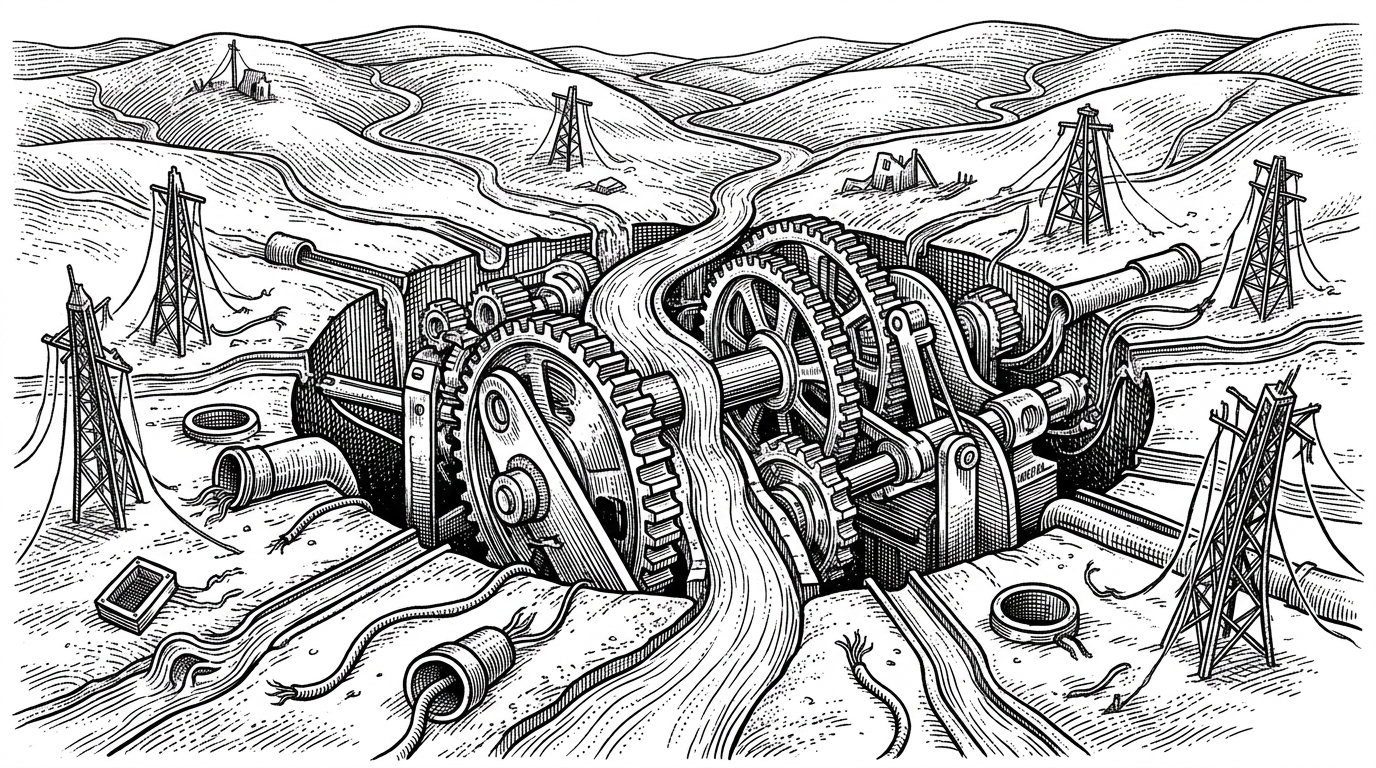
Inside `google-research/flood-forecasting`: How Google Built a Flood Model for Broken Data
A deep dive into the code behind FloodHub, where basin embeddings, masked feature aggregation, and probabilistic outputs keep river forecasts useful even when the inputs are incomplete.
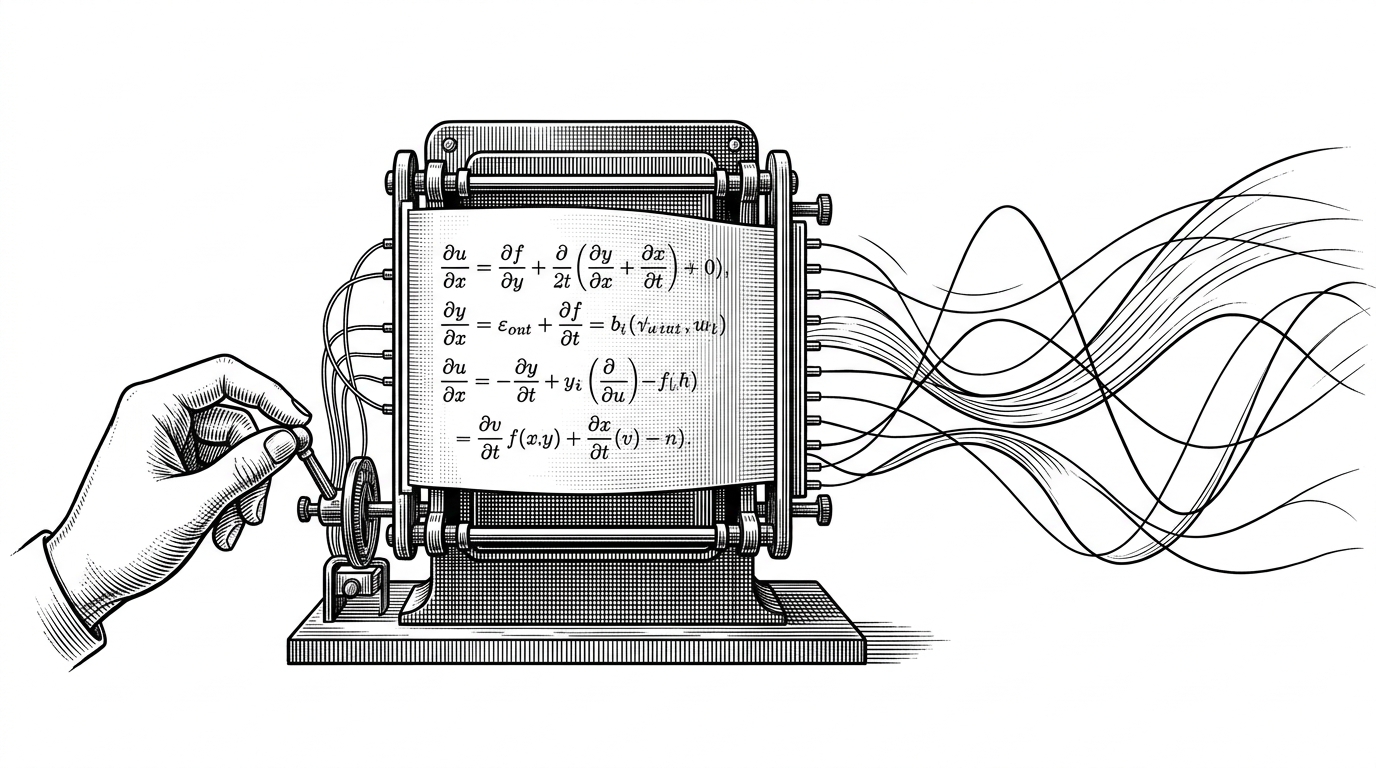
`generalized-pde-emulator`: The Neural Operator That Reads the Equation
Google Research turns PDE coefficients into a control signal, then uses FiLM, spectral layers, and physics-informed losses to push one model across held-out parameters and even new equation families.

camel-prompt-injection: CaMeL draws a hard line between data and commands
Google Research's prompt injection defense uses a quarantined LLM, capability tags, and a custom interpreter to keep untrusted inputs from steering privileged actions.

OpenFst: The Library That Lets the Same Graph Do Different Math
A deep dive into the weighted finite-state transducer engine behind speech, text processing, and decades of algorithmic reuse.

Swirl-Jatmos: The Atmospheric Simulator That Lets JAX Do the MPI
A TPU-first Python framework for 3D weather physics, where sharding, pressure solves, and checkpoints are handled as compiler-aware infrastructure, not hand-built cluster code.
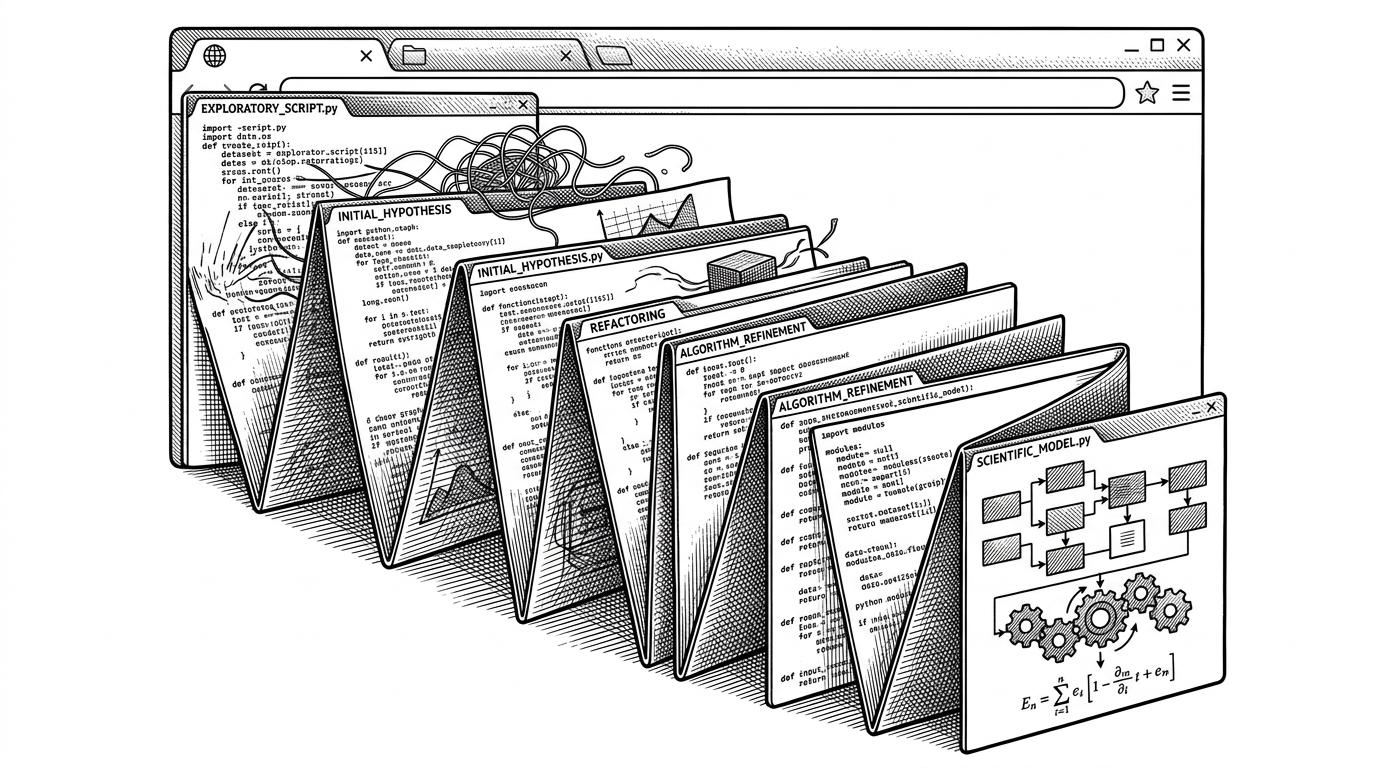
SCORE: The Repo That Lets You Watch an AI Rewrite Scientific Code
A Google Research artifact that turns code generation into a visible refinement loop. The real product is not the model output. It is the audit trail.

haineypot: The Honeypot That Lies Like a Tired Linux Box
Google Research's high-interaction trap does more than fake a login prompt. It adds human-looking delay, captures every keystroke, and turns an intrusion into replayable evidence.

`google-research/ecology-georeferencing`: the repo that teaches an LLM to find the smallest map that matters
A cost-aware Gemini pipeline filters out non-maps, reads ecology figures with surrounding context, and turns PDF pages into georeferenced data instead of dead images.
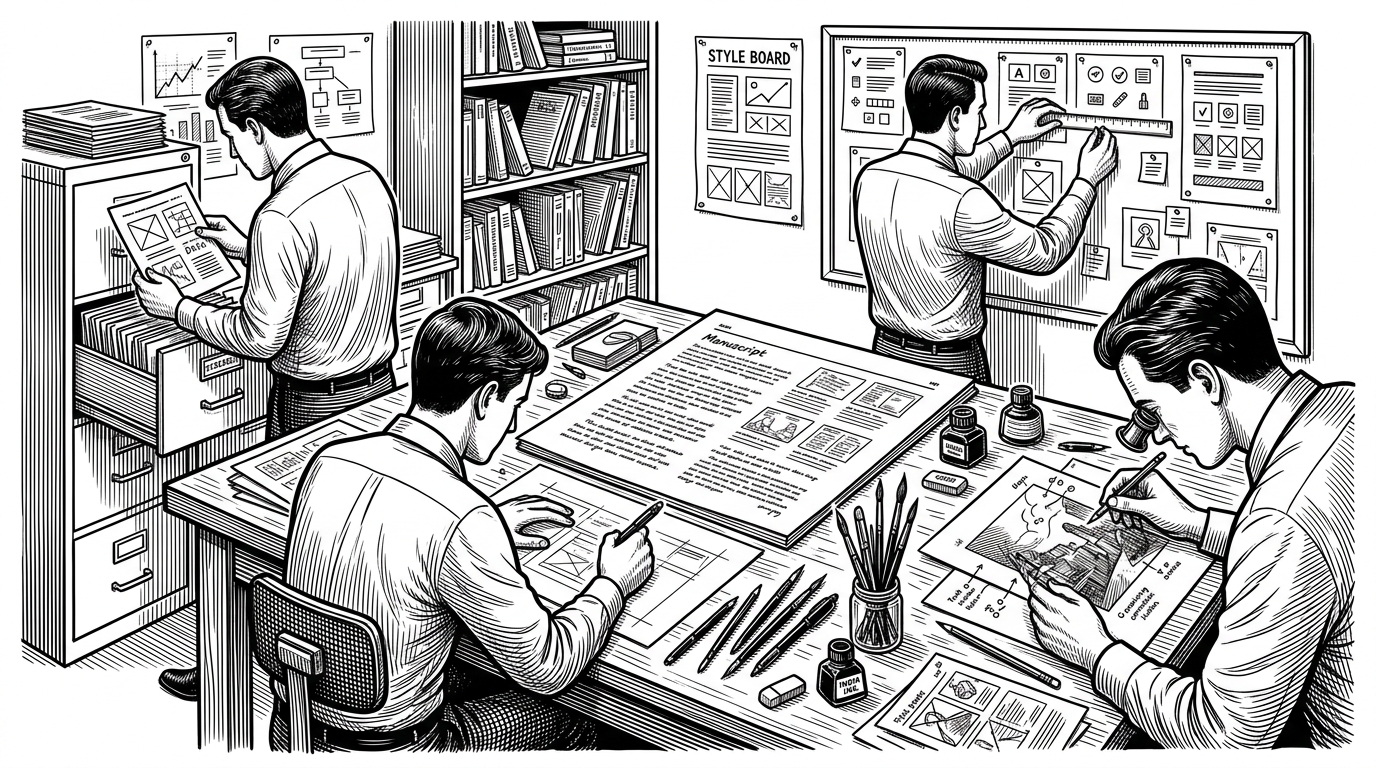
PaperVizAgent: Google’s Multi-Agent Studio for Turning Science Into Figures
A research framework that separates what a figure should say from how it should look, then loops in retrieval, style guidance, and critique until the result fits academic standards.
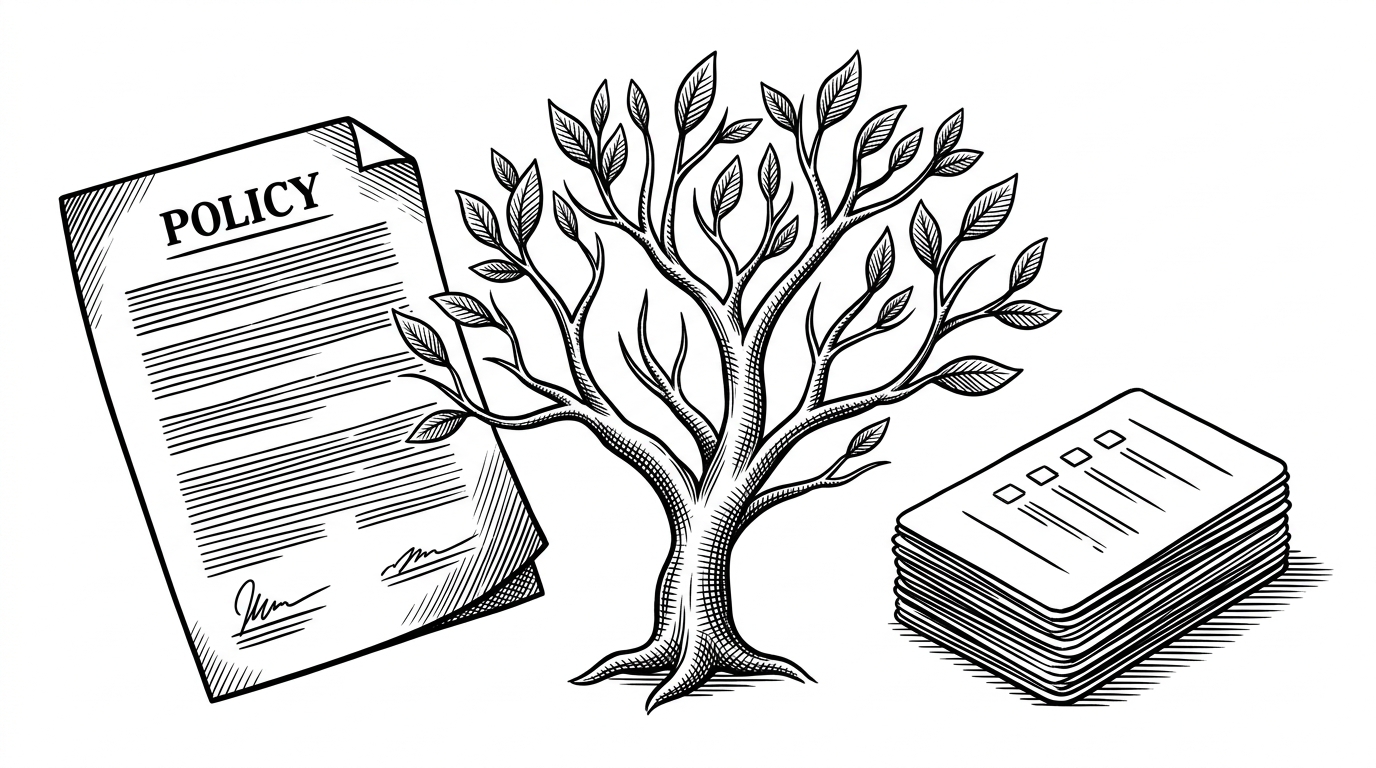
NodeSynth: The Taxonomy Engine for AI Safety Testing
A Google Research prototype that decomposes policy into a concept graph, then recombines it into grounded synthetic eval prompts.

MapTrace: Teaching models to walk a map without breaking it
MapTrace is a synthetic data machine for spatial reasoning. It teaches multimodal models to respect walls, corridors, and connectivity instead of drawing straight lines through whatever looks shortest.

M2SVid fixes the hard part of stereo video: the holes
Google Research combines geometry, depth, and a modified Stable Video Diffusion model to turn monocular video into a right-eye view that holds together.
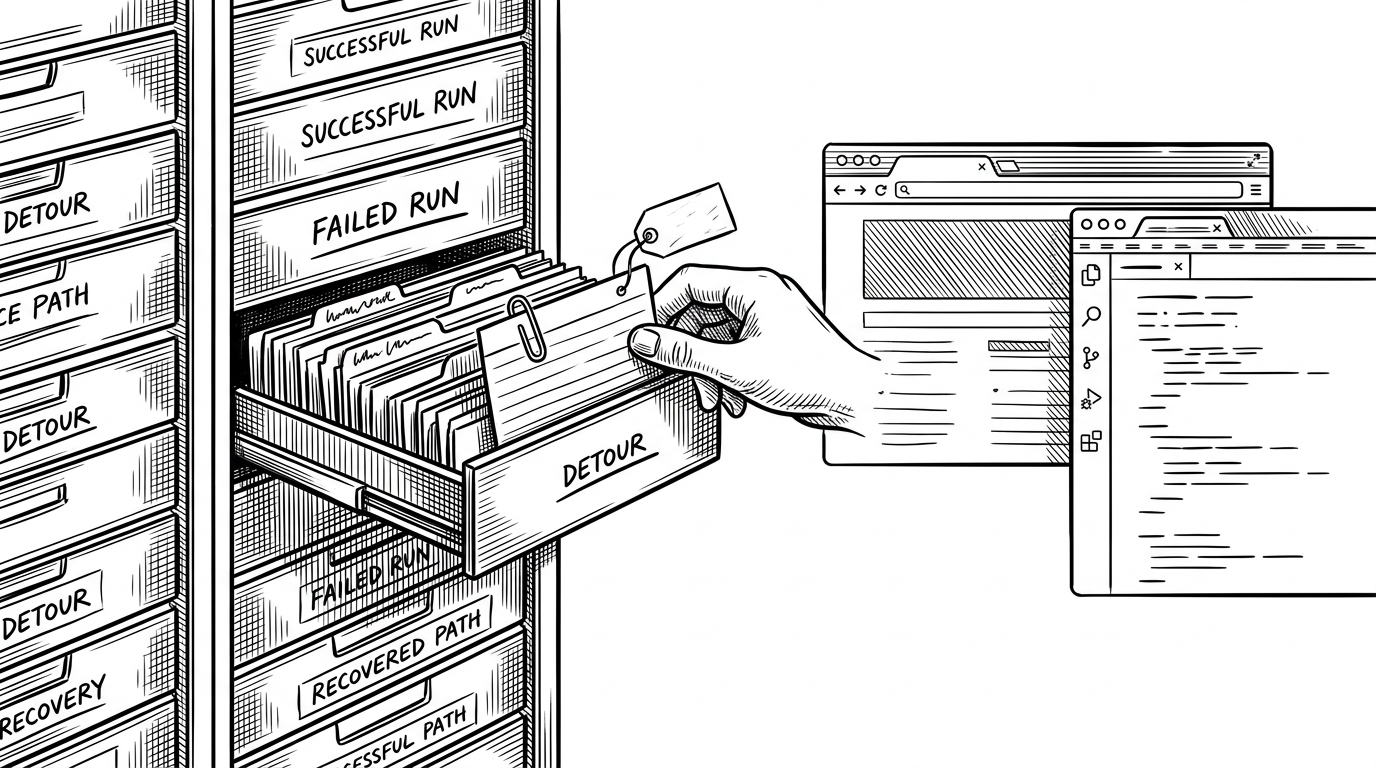
reasoning-bank: ReasoningBank: The Agent Memory System That Learns From Its Own Mistakes
A Google Research project that turns past reasoning traces, including failures, into reusable memory for web and coding agents.
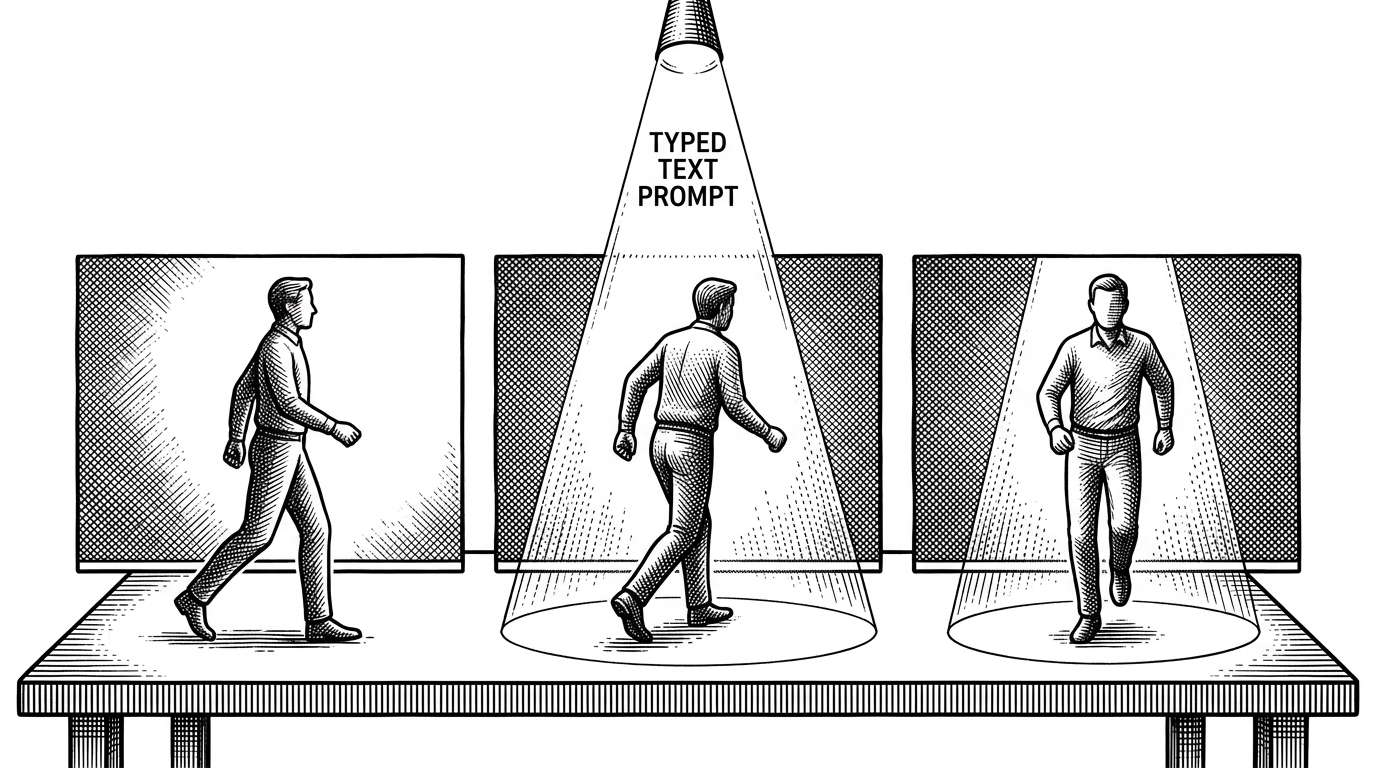
troyvis: Troy-VIS: Turning Any Text Prompt Into a Real-Time Video Track
Google Research’s open-vocabulary video segmentation stack pairs language grounding, memory, and deployment-minded engineering so the hard part is not just accuracy, but speed.
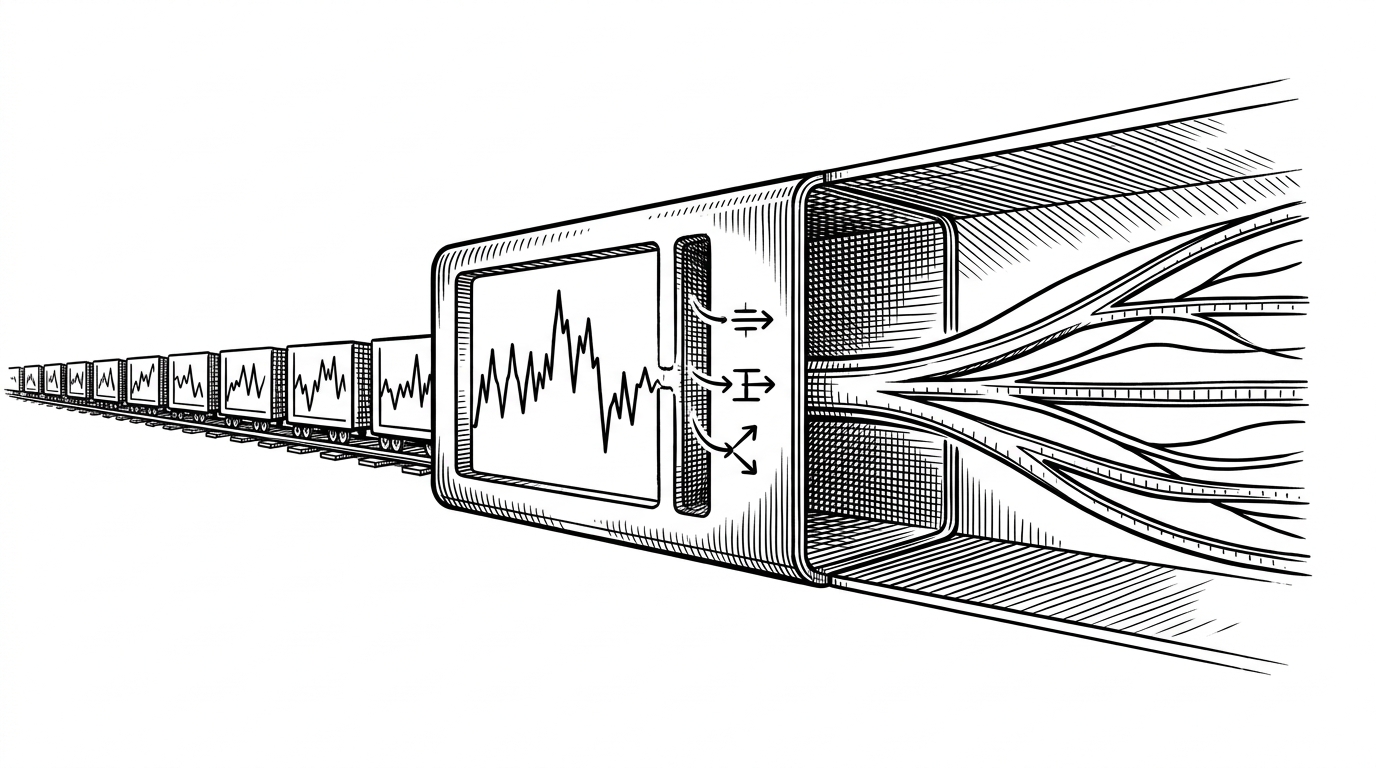
TimesFM: Google’s Forecasting Model That Thinks Like an LLM
A decoder-only time-series foundation model that replaces per-dataset training with zero-shot prediction, patch-based decoding, and probabilistic forecasts.
Yet to be explained
tabfm
Explain
TabFM (Tabular Foundation Model) is a pretrained tabular foundation model developed by Google Research for tabular data regression and classification.
paper-orchestra
Explain
PaperOrchestra is a multi-agent framework for automated AI research paper writing.
budget-aware-agent
Explain
Budget-Aware Tool-Use Enables Effective Agent Scaling @ COLM 2026